Buy milieusticker.eu ?
We are moving the project
milieusticker.eu .
Are you interested in purchasing the domain
milieusticker.eu ?
domain@kv-gmbh.de · 0541-91531010
Buy milieusticker.eu ?
What are carnivorous animals?
Carnivorous animals are animals that primarily feed on the flesh of other animals. They have evolved to have sharp teeth and claws for hunting and killing prey. Examples of carnivorous animals include lions, tigers, wolves, and eagles. These animals play an important role in maintaining the balance of ecosystems by controlling the population of herbivorous animals. **
Are figs carnivorous plants?
No, figs are not carnivorous plants. Figs are actually a type of fruit that grows on the Ficus tree. They are not capable of trapping, killing, and digesting insects or other small animals like true carnivorous plants such as Venus flytraps or pitcher plants. Figs rely on animals to help with pollination and dispersal of their seeds, but they do not consume animals for nutrients. **


Similar search terms for Carnivorous
Top-Angebote
Products related to Carnivorous:
-
ENVIRONMENT Diffuser Inspired by The Wynn Hotel® - 200mLVegan and cruelty-free. Diffuser that is inspired by The Wynn Hotel®. Juicy green melon and nectarine blend into a heart of jasmine and lily ending with notes of blackberry and oakmoss.39,28 $*Shipping: 0,00 $Secure redirect to the provider
-
ENVIRONMENT Diffuser Inspired by Delano Beach Club Hotel® - 200mLVegan and cruelty-free. Diffuser that is inspired by Delano Beach Club®. Sunny orange and bergamot are met with a heart of green tea and jasmine followed by notes of lemongrass and a hint of washed woods.43,49 $*Shipping: 0,00 $Secure redirect to the provider
-
Learning Resources Boxineers Cardboard Vehicles: Transform Boxes INTO Vehicles! (Mix & Match 75+ Reusable Pieces!) - Ages 5+ - Educational Toy Learning ResourcesMAKE YOUR OWN CARDBOARD VEHICLES: Turn any cardboard box into pretend play creations, from planes to monster trucks and more; build your vehicle with the kids tool set and customise your ride HANDS-ON LEARNING: Build STEM skills like engineering and experimenting, express creativity through pretend play, and develop fine motor skills with the cardboard craft tools, all through building REUSABLE KIT: The cardboard crafting supplies in this art kit are reusable, so kids can use them over and over again; remember to reuse or recycle your upcycled cardboard crafts when you're done MESS FREE CARDBOARD CRAFT KIT INCLUDES: Kid-safe screwdriver and hole punch tools, 30 bolts, six brackets, 40 reusable vehicle accessories, and six sticker sheets; boxes not included; for ages 5+ GIFTS FOR ARTISTIC KIDS: Our crafty construction sets make the perfect gifts for kids who love art, birthday gifts for girls and boys, holiday stocking stuffers, Easter basket toys, and more19,99 £*Shipping: 2,99 £Secure redirect to the provider




-
Are there carnivorous monkeys?
Yes, there are carnivorous monkeys. One example is the rare and endangered Colombian white-faced capuchin, which has been observed hunting and eating small mammals such as squirrels and birds. Another example is the black-capped capuchin, which has been observed hunting and eating small vertebrates like birds, lizards, and even bats. While most monkeys are primarily herbivorous, there are some species that have been observed exhibiting carnivorous behavior. **
-
Can carnivorous plants poop?
Carnivorous plants do not have a digestive system like animals do, so they do not produce waste in the same way. Instead, they absorb nutrients from the insects and other small organisms they capture and digest. Any undigested parts of their prey are typically left as a husk or excreted in a form that does not resemble animal waste. Therefore, carnivorous plants do not "poop" in the traditional sense. **
-
Representative species of carnivorous plants
Some representative species of carnivorous plants include: 1. Venus flytrap (Dionaea muscipula) 2. Pitcher plant (Nepenthes spp.) 3. Sundew (Drosera spp.) 4. Bladderwort (Utricularia spp.) 5. Cobra plant (Darlingtonia californica) **
-
Can vegetarians have carnivorous pets?
Yes, vegetarians can have carnivorous pets. The dietary choices of the pet owner do not necessarily dictate the dietary needs of their pets. It is important for the pet owner to provide their carnivorous pets with the appropriate diet that meets their nutritional needs, which may include meat-based products. As long as the pet owner is comfortable with providing their carnivorous pet with the necessary diet, there is no conflict with their vegetarian lifestyle. **

What's new about carnivorous plants?
Carnivorous plants have been known for their unique ability to capture and digest insects and other small organisms to obtain nutrients. However, recent research has revealed new insights into the mechanisms and strategies that these plants use to attract, capture, and digest their prey. Scientists have also discovered new species of carnivorous plants in different parts of the world, expanding our understanding of the diversity and evolution of these fascinating plants. Additionally, there have been advancements in the cultivation and conservation of carnivorous plants, leading to increased interest and awareness of these remarkable species. **
Do plants eat carnivorous animals?
No, plants do not eat carnivorous animals. Carnivorous plants, such as Venus flytraps and pitcher plants, have evolved to capture and digest small insects and other organisms as a way to supplement their nutrient intake, particularly in nutrient-poor environments. However, they do not actively seek out and consume larger carnivorous animals. Plants primarily obtain their nutrients through photosynthesis and absorption from the soil. **
Top-Angebote
Products related to Carnivorous:
-
ENVIRONMENT Diffuser Inspired by The Wynn Hotel® - 200mLVegan and cruelty-free. Diffuser that is inspired by The Wynn Hotel®. Juicy green melon and nectarine blend into a heart of jasmine and lily ending with notes of blackberry and oakmoss.39,28 $*Shipping: 0,00 $Secure redirect to the provider
-
What are carnivorous animals?
Carnivorous animals are animals that primarily feed on the flesh of other animals. They have evolved to have sharp teeth and claws for hunting and killing prey. Examples of carnivorous animals include lions, tigers, wolves, and eagles. These animals play an important role in maintaining the balance of ecosystems by controlling the population of herbivorous animals. **
-
Are figs carnivorous plants?
No, figs are not carnivorous plants. Figs are actually a type of fruit that grows on the Ficus tree. They are not capable of trapping, killing, and digesting insects or other small animals like true carnivorous plants such as Venus flytraps or pitcher plants. Figs rely on animals to help with pollination and dispersal of their seeds, but they do not consume animals for nutrients. **
-
Are there carnivorous monkeys?
Yes, there are carnivorous monkeys. One example is the rare and endangered Colombian white-faced capuchin, which has been observed hunting and eating small mammals such as squirrels and birds. Another example is the black-capped capuchin, which has been observed hunting and eating small vertebrates like birds, lizards, and even bats. While most monkeys are primarily herbivorous, there are some species that have been observed exhibiting carnivorous behavior. **
-
Can carnivorous plants poop?
Carnivorous plants do not have a digestive system like animals do, so they do not produce waste in the same way. Instead, they absorb nutrients from the insects and other small organisms they capture and digest. Any undigested parts of their prey are typically left as a husk or excreted in a form that does not resemble animal waste. Therefore, carnivorous plants do not "poop" in the traditional sense. **
Similar search terms for Carnivorous
-
ENVIRONMENT Diffuser Inspired by Delano Beach Club Hotel® - 200mLVegan and cruelty-free. Diffuser that is inspired by Delano Beach Club®. Sunny orange and bergamot are met with a heart of green tea and jasmine followed by notes of lemongrass and a hint of washed woods.43,49 $*Shipping: 0,00 $Secure redirect to the provider
-
Learning Resources Boxineers Cardboard Vehicles: Transform Boxes INTO Vehicles! (Mix & Match 75+ Reusable Pieces!) - Ages 5+ - Educational Toy Learning ResourcesMAKE YOUR OWN CARDBOARD VEHICLES: Turn any cardboard box into pretend play creations, from planes to monster trucks and more; build your vehicle with the kids tool set and customise your ride HANDS-ON LEARNING: Build STEM skills like engineering and experimenting, express creativity through pretend play, and develop fine motor skills with the cardboard craft tools, all through building REUSABLE KIT: The cardboard crafting supplies in this art kit are reusable, so kids can use them over and over again; remember to reuse or recycle your upcycled cardboard crafts when you're done MESS FREE CARDBOARD CRAFT KIT INCLUDES: Kid-safe screwdriver and hole punch tools, 30 bolts, six brackets, 40 reusable vehicle accessories, and six sticker sheets; boxes not included; for ages 5+ GIFTS FOR ARTISTIC KIDS: Our crafty construction sets make the perfect gifts for kids who love art, birthday gifts for girls and boys, holiday stocking stuffers, Easter basket toys, and more19,99 £*Shipping: 2,99 £Secure redirect to the provider
-
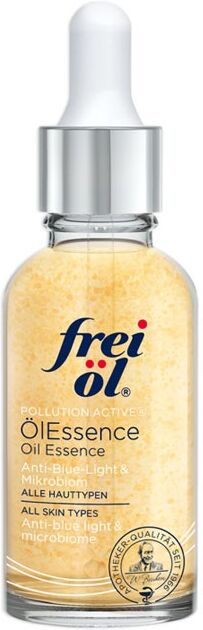
Frei Ol Skincare Frei OI Skincare Pollution Active Oil Essence 30mlThis facial oil is one of frei ol's Best selling products - A lightweight, super absorbent facial oil that calms stressed skin for smoother, plumped radiance skin all year round. It contains a combination of 3 ultramodern extracts: Carrot extract - which blocks blue light (e.g. part of the sunlight, smartphones) that can lead to oxidative stress in the skin caused by the formation of free radicals. Algae extract - which regulates the microbiome of stressed skin. Beetroot extract - which smooths and noticeably moisturises the skin. Key Benefits - Anti-blue light: Protects against blue light, which contributes to premature skin aging (oxidative stress) - Regenerates the microbiome of stressed skin* with algae extract (*in-vivo test with pure active substance) - Moisturises and smooths the skin with beetroot extract - Nourishes the skin with Argan oil and vitamin E Ingredients Aqua, Butylene Glycol, Fructooligosaccharides, Beta Vulgaris Root Extract, Laminaria Digitata Extract, Chlorella Vulgaris Extract, Daucus Carota Sativa Root Extract, Maris Aqua, Canola Oil, Daucus Carota Sativa Seed Oil, Helianthus Annuus Seed Oil, Argania Spinosa Kernel Oil, Magnesium Aspartate, Sodium Hyaluronate, Caffeine, Tocopherol, Tocopheryl Acetate, Beta-Carotene, Copper Gluconate, Zinc Gluconate, Caprylic/Capric/ Succinic Triglyceride, Lactic Acid, Potassium Lactate, Glycerin, Parfum, Caprylhydroxamic Acid, Saccharide Isomerate, Sodium Gluconate, Xanthan Gum, 1,2-Hexanediol, Citric Acid, Ethylhexylglycerin, Sodium Benzoate, Potassium Sorbate, Phenoxyethanol. Alcohol, Colorants, Microplastics*, Mineral oil (Paraffin), Parabens, PEG/PEG-derivates, Silicone *Formula without microplastics as defined by the German Environment Agency (2020)30,00 £*Shipping: 0,00 £Secure redirect to the provider
-
Red Shed Marvellous Vehicles: James May's illustrated non-fiction children's book on vehicles and things that move: Book 3 (Little Experts)Hit the road with writer and broadcaster JAMES MAY to discover incredible human-powered vehicles – from bicycles and submarines to amphibious vehicles and even a helicopter. Yes, really! Packed with fun, facts and challenges – perfect for readers aged 6 to 9. Welcome to LITTLE EXPERTS – inspiring the next generation of experts! • Written by expert authors, famous for their passion and expertise • Must-read introductions to key non-fiction topics with vibrant, colour illustrations throughout • Created to empower and inspire!4,95 £*Shipping: 1,99 £Secure redirect to the provider
-
Representative species of carnivorous plants
Some representative species of carnivorous plants include: 1. Venus flytrap (Dionaea muscipula) 2. Pitcher plant (Nepenthes spp.) 3. Sundew (Drosera spp.) 4. Bladderwort (Utricularia spp.) 5. Cobra plant (Darlingtonia californica) **
-
Can vegetarians have carnivorous pets?
Yes, vegetarians can have carnivorous pets. The dietary choices of the pet owner do not necessarily dictate the dietary needs of their pets. It is important for the pet owner to provide their carnivorous pets with the appropriate diet that meets their nutritional needs, which may include meat-based products. As long as the pet owner is comfortable with providing their carnivorous pet with the necessary diet, there is no conflict with their vegetarian lifestyle. **
-
What's new about carnivorous plants?
Carnivorous plants have been known for their unique ability to capture and digest insects and other small organisms to obtain nutrients. However, recent research has revealed new insights into the mechanisms and strategies that these plants use to attract, capture, and digest their prey. Scientists have also discovered new species of carnivorous plants in different parts of the world, expanding our understanding of the diversity and evolution of these fascinating plants. Additionally, there have been advancements in the cultivation and conservation of carnivorous plants, leading to increased interest and awareness of these remarkable species. **
-
Do plants eat carnivorous animals?
No, plants do not eat carnivorous animals. Carnivorous plants, such as Venus flytraps and pitcher plants, have evolved to capture and digest small insects and other organisms as a way to supplement their nutrient intake, particularly in nutrient-poor environments. However, they do not actively seek out and consume larger carnivorous animals. Plants primarily obtain their nutrients through photosynthesis and absorption from the soil. **
* All prices are inclusive of VAT and, if applicable, plus shipping costs. The offer information is based on the details provided by the respective shop and is updated through automated processes. Real-time updates do not occur, so deviations can occur in individual cases. ** Note: Parts of this content were created by AI.