Buy milieusticker.eu ?
We are moving the project
milieusticker.eu .
Are you interested in purchasing the domain
milieusticker.eu ?
domain@kv-gmbh.de · 0541-91531010
Buy milieusticker.eu ?
What is the etymology of Turkish Pepper?
The term "Turkish Pepper" is believed to have originated from the use of a specific type of pepper called "Urfa biber" in Turkish cuisine. Urfa biber is a dried red pepper that is grown in the Urfa region of Turkey and is known for its smoky, earthy flavor with a mild heat. The name "Turkish Pepper" likely refers to the origin of this specific type of pepper and its association with Turkish cuisine. **
What is the etymology of the word Funk?
The word "funk" originated in the late 17th century, derived from the French word "fumet," meaning "smell" or "vapor." It was initially used to describe a strong, musty smell. Over time, the term evolved to describe a style of music characterized by a strong rhythmic groove and soulful vocals, popularized in the 1960s and 1970s. Today, "funk" is associated with a genre of music that blends elements of soul, jazz, and rhythm and blues. **


Similar search terms for Etymology
Top-Angebote
Products related to Etymology:
-
ENVIRONMENT Diffuser Inspired by The Wynn Hotel® - 200mLVegan and cruelty-free. Diffuser that is inspired by The Wynn Hotel®. Juicy green melon and nectarine blend into a heart of jasmine and lily ending with notes of blackberry and oakmoss.39,28 $*Shipping: 0,00 $Secure redirect to the provider
-
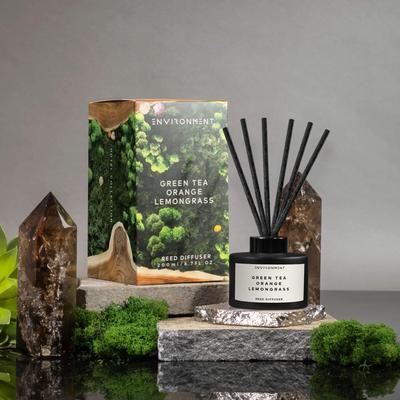
ENVIRONMENT Diffuser Inspired by Delano Beach Club Hotel® - 200mLVegan and cruelty-free. Diffuser that is inspired by Delano Beach Club®. Sunny orange and bergamot are met with a heart of green tea and jasmine followed by notes of lemongrass and a hint of washed woods.43,49 $*Shipping: 0,00 $Secure redirect to the provider
-
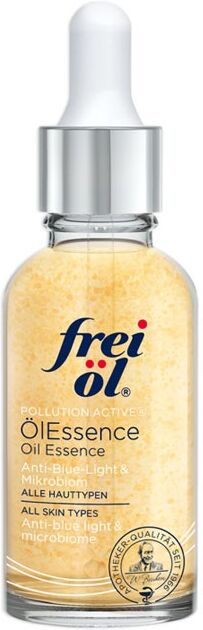
Frei Ol Skincare Frei OI Skincare Pollution Active Oil Essence 30mlThis facial oil is one of frei ol's Best selling products - A lightweight, super absorbent facial oil that calms stressed skin for smoother, plumped radiance skin all year round. It contains a combination of 3 ultramodern extracts: Carrot extract - which blocks blue light (e.g. part of the sunlight, smartphones) that can lead to oxidative stress in the skin caused by the formation of free radicals. Algae extract - which regulates the microbiome of stressed skin. Beetroot extract - which smooths and noticeably moisturises the skin. Key Benefits - Anti-blue light: Protects against blue light, which contributes to premature skin aging (oxidative stress) - Regenerates the microbiome of stressed skin* with algae extract (*in-vivo test with pure active substance) - Moisturises and smooths the skin with beetroot extract - Nourishes the skin with Argan oil and vitamin E Ingredients Aqua, Butylene Glycol, Fructooligosaccharides, Beta Vulgaris Root Extract, Laminaria Digitata Extract, Chlorella Vulgaris Extract, Daucus Carota Sativa Root Extract, Maris Aqua, Canola Oil, Daucus Carota Sativa Seed Oil, Helianthus Annuus Seed Oil, Argania Spinosa Kernel Oil, Magnesium Aspartate, Sodium Hyaluronate, Caffeine, Tocopherol, Tocopheryl Acetate, Beta-Carotene, Copper Gluconate, Zinc Gluconate, Caprylic/Capric/ Succinic Triglyceride, Lactic Acid, Potassium Lactate, Glycerin, Parfum, Caprylhydroxamic Acid, Saccharide Isomerate, Sodium Gluconate, Xanthan Gum, 1,2-Hexanediol, Citric Acid, Ethylhexylglycerin, Sodium Benzoate, Potassium Sorbate, Phenoxyethanol. Alcohol, Colorants, Microplastics*, Mineral oil (Paraffin), Parabens, PEG/PEG-derivates, Silicone *Formula without microplastics as defined by the German Environment Agency (2020)30,00 £*Shipping: 0,00 £Secure redirect to the provider


-
What is the etymology of the word Hexe?
The word "Hexe" comes from the Old High German word "hagazussa," which means "witch." This word is derived from the Middle High German "hag," meaning "hedge," and "zussa," meaning "sitting." The term "hagazussa" originally referred to a female magician or sorceress who was believed to have the ability to ride on the backs of animals and perform magical spells. Over time, the word evolved into "Hexe" in modern German. **
-
What is the etymology of the term "Blutblüte"?
The term "Blutblüte" is of German origin. It is a compound word made up of "Blut" meaning blood and "Blüte" meaning bloom or blossom. When combined, "Blutblüte" refers to the blooming or flourishing of blood, often used metaphorically to describe a period of violence or bloodshed. **
-
What is the connection between personal development, etymology, and philosophy?
Personal development, etymology, and philosophy are interconnected in the sense that they all involve the exploration and understanding of oneself and the world. Personal development focuses on self-improvement and growth, while etymology delves into the origins and meanings of words, and philosophy seeks to understand the fundamental nature of existence and knowledge. By studying etymology, one can gain insight into the historical and cultural context of words, which can in turn inform one's personal development and philosophical understanding. Philosophy, on the other hand, can provide a framework for understanding the deeper meaning and purpose of personal development, while also influencing the way we interpret and use language. Overall, these three areas of study are interconnected in their pursuit of self-awareness, understanding, and growth. **
-
What is the etymology of the term "Komplekte" in the DDRNVA?
The term "Komplekte" in the DDRNVA is derived from the German word "komplett," which means complete or entire. In the context of the DDRNVA, "Komplekte" refers to a set or collection of items that are necessary for a specific task or purpose. This term reflects the emphasis on organization and efficiency within the DDRNVA, as having all the necessary components in a "Komplekte" ensures readiness and effectiveness in carrying out military operations. **


What is the origin or etymology of the puzzled expression Nani Nanu?
The expression "Nani Nanu" originates from the Japanese language. "Nani" means "what" in Japanese, while "Nanu" is a playful and informal way of saying "what" in some Japanese dialects. When used together, "Nani Nanu" is a whimsical and light-hearted way of expressing confusion or puzzlement. It has gained popularity in internet culture and among fans of Japanese media. **
What is the origin or etymology of the surprised expression "Nani Nanu"?
The expression "Nani Nanu" originates from Japanese and is commonly used to express surprise or disbelief. In Japanese, "nani" means "what," and "nanu" is a colloquial variation of "nanda," which means "is" or "what is." When combined, "Nani Nanu" essentially translates to "What is it?" or "What's going on?" and is often used in anime, manga, and Japanese pop culture to convey shock or astonishment. **
Top-Angebote
Products related to Etymology:
-
ENVIRONMENT Diffuser Inspired by The Wynn Hotel® - 200mLVegan and cruelty-free. Diffuser that is inspired by The Wynn Hotel®. Juicy green melon and nectarine blend into a heart of jasmine and lily ending with notes of blackberry and oakmoss.39,28 $*Shipping: 0,00 $Secure redirect to the provider
-
What is the etymology of Turkish Pepper?
The term "Turkish Pepper" is believed to have originated from the use of a specific type of pepper called "Urfa biber" in Turkish cuisine. Urfa biber is a dried red pepper that is grown in the Urfa region of Turkey and is known for its smoky, earthy flavor with a mild heat. The name "Turkish Pepper" likely refers to the origin of this specific type of pepper and its association with Turkish cuisine. **
-
What is the etymology of the word Funk?
The word "funk" originated in the late 17th century, derived from the French word "fumet," meaning "smell" or "vapor." It was initially used to describe a strong, musty smell. Over time, the term evolved to describe a style of music characterized by a strong rhythmic groove and soulful vocals, popularized in the 1960s and 1970s. Today, "funk" is associated with a genre of music that blends elements of soul, jazz, and rhythm and blues. **
-
What is the etymology of the word Hexe?
The word "Hexe" comes from the Old High German word "hagazussa," which means "witch." This word is derived from the Middle High German "hag," meaning "hedge," and "zussa," meaning "sitting." The term "hagazussa" originally referred to a female magician or sorceress who was believed to have the ability to ride on the backs of animals and perform magical spells. Over time, the word evolved into "Hexe" in modern German. **
-
What is the etymology of the term "Blutblüte"?
The term "Blutblüte" is of German origin. It is a compound word made up of "Blut" meaning blood and "Blüte" meaning bloom or blossom. When combined, "Blutblüte" refers to the blooming or flourishing of blood, often used metaphorically to describe a period of violence or bloodshed. **
Similar search terms for Etymology
-
ENVIRONMENT Diffuser Inspired by Delano Beach Club Hotel® - 200mLVegan and cruelty-free. Diffuser that is inspired by Delano Beach Club®. Sunny orange and bergamot are met with a heart of green tea and jasmine followed by notes of lemongrass and a hint of washed woods.43,49 $*Shipping: 0,00 $Secure redirect to the provider
-
Frei Ol Skincare Frei OI Skincare Pollution Active Oil Essence 30mlThis facial oil is one of frei ol's Best selling products - A lightweight, super absorbent facial oil that calms stressed skin for smoother, plumped radiance skin all year round. It contains a combination of 3 ultramodern extracts: Carrot extract - which blocks blue light (e.g. part of the sunlight, smartphones) that can lead to oxidative stress in the skin caused by the formation of free radicals. Algae extract - which regulates the microbiome of stressed skin. Beetroot extract - which smooths and noticeably moisturises the skin. Key Benefits - Anti-blue light: Protects against blue light, which contributes to premature skin aging (oxidative stress) - Regenerates the microbiome of stressed skin* with algae extract (*in-vivo test with pure active substance) - Moisturises and smooths the skin with beetroot extract - Nourishes the skin with Argan oil and vitamin E Ingredients Aqua, Butylene Glycol, Fructooligosaccharides, Beta Vulgaris Root Extract, Laminaria Digitata Extract, Chlorella Vulgaris Extract, Daucus Carota Sativa Root Extract, Maris Aqua, Canola Oil, Daucus Carota Sativa Seed Oil, Helianthus Annuus Seed Oil, Argania Spinosa Kernel Oil, Magnesium Aspartate, Sodium Hyaluronate, Caffeine, Tocopherol, Tocopheryl Acetate, Beta-Carotene, Copper Gluconate, Zinc Gluconate, Caprylic/Capric/ Succinic Triglyceride, Lactic Acid, Potassium Lactate, Glycerin, Parfum, Caprylhydroxamic Acid, Saccharide Isomerate, Sodium Gluconate, Xanthan Gum, 1,2-Hexanediol, Citric Acid, Ethylhexylglycerin, Sodium Benzoate, Potassium Sorbate, Phenoxyethanol. Alcohol, Colorants, Microplastics*, Mineral oil (Paraffin), Parabens, PEG/PEG-derivates, Silicone *Formula without microplastics as defined by the German Environment Agency (2020)30,00 £*Shipping: 0,00 £Secure redirect to the provider
-
Learning Resources Boxineers Cardboard Vehicles: Transform Boxes INTO Vehicles! (Mix & Match 75+ Reusable Pieces!) - Ages 5+ - Educational Toy Learning ResourcesMAKE YOUR OWN CARDBOARD VEHICLES: Turn any cardboard box into pretend play creations, from planes to monster trucks and more; build your vehicle with the kids tool set and customise your ride HANDS-ON LEARNING: Build STEM skills like engineering and experimenting, express creativity through pretend play, and develop fine motor skills with the cardboard craft tools, all through building REUSABLE KIT: The cardboard crafting supplies in this art kit are reusable, so kids can use them over and over again; remember to reuse or recycle your upcycled cardboard crafts when you're done MESS FREE CARDBOARD CRAFT KIT INCLUDES: Kid-safe screwdriver and hole punch tools, 30 bolts, six brackets, 40 reusable vehicle accessories, and six sticker sheets; boxes not included; for ages 5+ GIFTS FOR ARTISTIC KIDS: Our crafty construction sets make the perfect gifts for kids who love art, birthday gifts for girls and boys, holiday stocking stuffers, Easter basket toys, and more19,99 £*Shipping: 2,99 £Secure redirect to the provider
-
Red Shed Marvellous Vehicles: James May's illustrated non-fiction children's book on vehicles and things that move: Book 3 (Little Experts)Hit the road with writer and broadcaster JAMES MAY to discover incredible human-powered vehicles – from bicycles and submarines to amphibious vehicles and even a helicopter. Yes, really! Packed with fun, facts and challenges – perfect for readers aged 6 to 9. Welcome to LITTLE EXPERTS – inspiring the next generation of experts! • Written by expert authors, famous for their passion and expertise • Must-read introductions to key non-fiction topics with vibrant, colour illustrations throughout • Created to empower and inspire!4,95 £*Shipping: 1,99 £Secure redirect to the provider
-
What is the connection between personal development, etymology, and philosophy?
Personal development, etymology, and philosophy are interconnected in the sense that they all involve the exploration and understanding of oneself and the world. Personal development focuses on self-improvement and growth, while etymology delves into the origins and meanings of words, and philosophy seeks to understand the fundamental nature of existence and knowledge. By studying etymology, one can gain insight into the historical and cultural context of words, which can in turn inform one's personal development and philosophical understanding. Philosophy, on the other hand, can provide a framework for understanding the deeper meaning and purpose of personal development, while also influencing the way we interpret and use language. Overall, these three areas of study are interconnected in their pursuit of self-awareness, understanding, and growth. **
-
What is the etymology of the term "Komplekte" in the DDRNVA?
The term "Komplekte" in the DDRNVA is derived from the German word "komplett," which means complete or entire. In the context of the DDRNVA, "Komplekte" refers to a set or collection of items that are necessary for a specific task or purpose. This term reflects the emphasis on organization and efficiency within the DDRNVA, as having all the necessary components in a "Komplekte" ensures readiness and effectiveness in carrying out military operations. **
-
What is the origin or etymology of the puzzled expression Nani Nanu?
The expression "Nani Nanu" originates from the Japanese language. "Nani" means "what" in Japanese, while "Nanu" is a playful and informal way of saying "what" in some Japanese dialects. When used together, "Nani Nanu" is a whimsical and light-hearted way of expressing confusion or puzzlement. It has gained popularity in internet culture and among fans of Japanese media. **
-
What is the origin or etymology of the surprised expression "Nani Nanu"?
The expression "Nani Nanu" originates from Japanese and is commonly used to express surprise or disbelief. In Japanese, "nani" means "what," and "nanu" is a colloquial variation of "nanda," which means "is" or "what is." When combined, "Nani Nanu" essentially translates to "What is it?" or "What's going on?" and is often used in anime, manga, and Japanese pop culture to convey shock or astonishment. **
* All prices are inclusive of VAT and, if applicable, plus shipping costs. The offer information is based on the details provided by the respective shop and is updated through automated processes. Real-time updates do not occur, so deviations can occur in individual cases. ** Note: Parts of this content were created by AI.