Buy milieusticker.eu ?
We are moving the project
milieusticker.eu .
Are you interested in purchasing the domain
milieusticker.eu ?
domain@kv-gmbh.de · 0541-91531010
Buy milieusticker.eu ?
What are abiotic factors in ecology?
Abiotic factors in ecology are non-living components of an ecosystem that can influence the living organisms within it. These factors include physical and chemical elements such as temperature, sunlight, water, soil, air, and nutrients. Abiotic factors play a crucial role in shaping the environment and determining the types of organisms that can survive in a particular ecosystem. They can also affect the distribution, behavior, and abundance of species within an ecosystem. **
What are abiotic factors in the Antarctic?
Abiotic factors in the Antarctic include extreme cold temperatures, strong winds, low precipitation, and high levels of ultraviolet radiation due to the hole in the ozone layer. The frozen landscape is also a significant abiotic factor, as the ice and snow cover much of the continent. These abiotic factors create a harsh environment that shapes the unique ecosystems and limits the types of organisms that can survive in the Antarctic. **


Similar search terms for Abiotic
Top-Angebote
Products related to Abiotic:
-
Hama Tahiti Indoor Temperature & humidity sensor Mechanical environment thermometerHama Tahiti. Purpose: Indoor, Sensor type: Temperature & humidity sensor, Type: Mechanical environment thermometer. Width: 110 mm, Depth: 42 mm, Height: 130 mm. Package width: 135 mm, Package depth: 115 mm, Package height: 45 mm. Sustainability certificates: Forest Stewardship Council (FSC)22,49 £*Shipping: 0,00 £Secure redirect to the provider
-
ENVIRONMENT Diffuser Inspired by The Wynn Hotel® - 200mLVegan and cruelty-free. Diffuser that is inspired by The Wynn Hotel®. Juicy green melon and nectarine blend into a heart of jasmine and lily ending with notes of blackberry and oakmoss.40,49 $*Shipping: 0,00 $Secure redirect to the provider
-
ENVIRONMENT Diffuser Inspired by Delano Beach Club Hotel® - 200mLVegan and cruelty-free. Diffuser that is inspired by Delano Beach Club®. Sunny orange and bergamot are met with a heart of green tea and jasmine followed by notes of lemongrass and a hint of washed woods.43,49 $*Shipping: 0,00 $Secure redirect to the provider




-
What are application tasks related to abiotic factors?
Application tasks related to abiotic factors involve studying the impact of non-living elements such as temperature, water availability, soil composition, and sunlight on various ecosystems. Researchers may investigate how changes in these abiotic factors affect plant growth, animal behavior, and overall ecosystem health. Understanding these relationships is crucial for predicting and managing the effects of climate change, land use changes, and other environmental disturbances on ecosystems. By studying abiotic factors, scientists can develop strategies to conserve biodiversity, restore degraded habitats, and promote sustainable resource management. **
-
What are abiotic and biotic factors for humans?
Abiotic factors for humans include non-living elements such as air quality, temperature, and sunlight exposure. These factors can directly impact human health and well-being. Biotic factors for humans involve living organisms that interact with humans, such as pathogens, parasites, and symbiotic organisms like gut bacteria. These factors can also have significant effects on human health and disease. **
-
What biotic and abiotic factors affect the wolf?
Biotic factors that affect the wolf include the availability of prey species such as deer, elk, and moose, as well as competition with other predators like bears and cougars. Additionally, the presence of other wolf packs can also impact their territory and hunting success. Abiotic factors that affect wolves include climate, temperature, and the availability of water sources. Harsh winters and limited access to water can impact their ability to survive and thrive in their environment. **
-
Do tides belong to the abiotic environmental factors?
Yes, tides belong to the abiotic environmental factors. Abiotic factors are non-living components of an ecosystem, and tides are the result of the gravitational pull of the moon and the sun on the Earth's oceans. Tides play a significant role in shaping coastal ecosystems and influencing the distribution of marine organisms. Therefore, they are considered an important abiotic factor in marine environments. **

What are abiotic and biotic factors in biology?
Abiotic factors in biology are non-living components of an ecosystem, such as temperature, sunlight, water, and soil. These factors can have a significant impact on the organisms living in the ecosystem. Biotic factors, on the other hand, are living components of an ecosystem, including plants, animals, fungi, and microorganisms. These factors interact with each other and with the abiotic factors to create a complex and dynamic environment. Both abiotic and biotic factors play crucial roles in shaping the structure and function of ecosystems. **
What do abiotic and biotic environmental factors mean?
Abiotic environmental factors refer to non-living components of an ecosystem, such as temperature, sunlight, water, and soil. These factors can have a significant impact on the survival and distribution of living organisms within an ecosystem. Biotic environmental factors, on the other hand, refer to the living components of an ecosystem, including plants, animals, and microorganisms. These factors can also influence the dynamics of an ecosystem through interactions such as predation, competition, and symbiosis. Both abiotic and biotic factors play crucial roles in shaping the structure and function of ecosystems. **
Top-Angebote
Products related to Abiotic:
-
Hama Tahiti Indoor Temperature & humidity sensor Mechanical environment thermometerHama Tahiti. Purpose: Indoor, Sensor type: Temperature & humidity sensor, Type: Mechanical environment thermometer. Width: 110 mm, Depth: 42 mm, Height: 130 mm. Package width: 135 mm, Package depth: 115 mm, Package height: 45 mm. Sustainability certificates: Forest Stewardship Council (FSC)22,49 £*Shipping: 0,00 £Secure redirect to the provider
-
ENVIRONMENT Diffuser Inspired by The Wynn Hotel® - 200mLVegan and cruelty-free. Diffuser that is inspired by The Wynn Hotel®. Juicy green melon and nectarine blend into a heart of jasmine and lily ending with notes of blackberry and oakmoss.40,49 $*Shipping: 0,00 $Secure redirect to the provider
-
What are abiotic factors in ecology?
Abiotic factors in ecology are non-living components of an ecosystem that can influence the living organisms within it. These factors include physical and chemical elements such as temperature, sunlight, water, soil, air, and nutrients. Abiotic factors play a crucial role in shaping the environment and determining the types of organisms that can survive in a particular ecosystem. They can also affect the distribution, behavior, and abundance of species within an ecosystem. **
-
What are abiotic factors in the Antarctic?
Abiotic factors in the Antarctic include extreme cold temperatures, strong winds, low precipitation, and high levels of ultraviolet radiation due to the hole in the ozone layer. The frozen landscape is also a significant abiotic factor, as the ice and snow cover much of the continent. These abiotic factors create a harsh environment that shapes the unique ecosystems and limits the types of organisms that can survive in the Antarctic. **
-
What are application tasks related to abiotic factors?
Application tasks related to abiotic factors involve studying the impact of non-living elements such as temperature, water availability, soil composition, and sunlight on various ecosystems. Researchers may investigate how changes in these abiotic factors affect plant growth, animal behavior, and overall ecosystem health. Understanding these relationships is crucial for predicting and managing the effects of climate change, land use changes, and other environmental disturbances on ecosystems. By studying abiotic factors, scientists can develop strategies to conserve biodiversity, restore degraded habitats, and promote sustainable resource management. **
-
What are abiotic and biotic factors for humans?
Abiotic factors for humans include non-living elements such as air quality, temperature, and sunlight exposure. These factors can directly impact human health and well-being. Biotic factors for humans involve living organisms that interact with humans, such as pathogens, parasites, and symbiotic organisms like gut bacteria. These factors can also have significant effects on human health and disease. **
Similar search terms for Abiotic
-
ENVIRONMENT Diffuser Inspired by Delano Beach Club Hotel® - 200mLVegan and cruelty-free. Diffuser that is inspired by Delano Beach Club®. Sunny orange and bergamot are met with a heart of green tea and jasmine followed by notes of lemongrass and a hint of washed woods.43,49 $*Shipping: 0,00 $Secure redirect to the provider
-
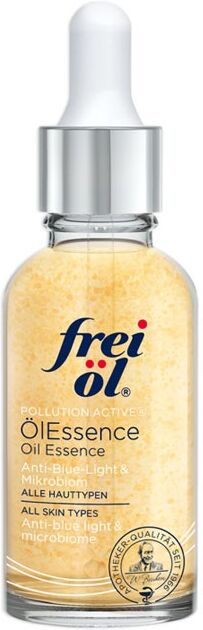
Frei Ol Skincare Frei OI Skincare Pollution Active Oil Essence 30mlThis facial oil is one of frei ol's Best selling products - A lightweight, super absorbent facial oil that calms stressed skin for smoother, plumped radiance skin all year round. It contains a combination of 3 ultramodern extracts: Carrot extract - which blocks blue light (e.g. part of the sunlight, smartphones) that can lead to oxidative stress in the skin caused by the formation of free radicals. Algae extract - which regulates the microbiome of stressed skin. Beetroot extract - which smooths and noticeably moisturises the skin. Key Benefits - Anti-blue light: Protects against blue light, which contributes to premature skin aging (oxidative stress) - Regenerates the microbiome of stressed skin* with algae extract (*in-vivo test with pure active substance) - Moisturises and smooths the skin with beetroot extract - Nourishes the skin with Argan oil and vitamin E Ingredients Aqua, Butylene Glycol, Fructooligosaccharides, Beta Vulgaris Root Extract, Laminaria Digitata Extract, Chlorella Vulgaris Extract, Daucus Carota Sativa Root Extract, Maris Aqua, Canola Oil, Daucus Carota Sativa Seed Oil, Helianthus Annuus Seed Oil, Argania Spinosa Kernel Oil, Magnesium Aspartate, Sodium Hyaluronate, Caffeine, Tocopherol, Tocopheryl Acetate, Beta-Carotene, Copper Gluconate, Zinc Gluconate, Caprylic/Capric/ Succinic Triglyceride, Lactic Acid, Potassium Lactate, Glycerin, Parfum, Caprylhydroxamic Acid, Saccharide Isomerate, Sodium Gluconate, Xanthan Gum, 1,2-Hexanediol, Citric Acid, Ethylhexylglycerin, Sodium Benzoate, Potassium Sorbate, Phenoxyethanol. Alcohol, Colorants, Microplastics*, Mineral oil (Paraffin), Parabens, PEG/PEG-derivates, Silicone *Formula without microplastics as defined by the German Environment Agency (2020)30,00 £*Shipping: 0,00 £Secure redirect to the provider
-
Learning Resources Boxineers Cardboard Vehicles: Transform Boxes INTO Vehicles! (Mix & Match 75+ Reusable Pieces!) - Ages 5+ - Educational Toy Learning ResourcesMAKE YOUR OWN CARDBOARD VEHICLES: Turn any cardboard box into pretend play creations, from planes to monster trucks and more; build your vehicle with the kids tool set and customise your ride HANDS-ON LEARNING: Build STEM skills like engineering and experimenting, express creativity through pretend play, and develop fine motor skills with the cardboard craft tools, all through building REUSABLE KIT: The cardboard crafting supplies in this art kit are reusable, so kids can use them over and over again; remember to reuse or recycle your upcycled cardboard crafts when you're done MESS FREE CARDBOARD CRAFT KIT INCLUDES: Kid-safe screwdriver and hole punch tools, 30 bolts, six brackets, 40 reusable vehicle accessories, and six sticker sheets; boxes not included; for ages 5+ GIFTS FOR ARTISTIC KIDS: Our crafty construction sets make the perfect gifts for kids who love art, birthday gifts for girls and boys, holiday stocking stuffers, Easter basket toys, and more19,99 £*Shipping: 2,99 £Secure redirect to the provider
-
What biotic and abiotic factors affect the wolf?
Biotic factors that affect the wolf include the availability of prey species such as deer, elk, and moose, as well as competition with other predators like bears and cougars. Additionally, the presence of other wolf packs can also impact their territory and hunting success. Abiotic factors that affect wolves include climate, temperature, and the availability of water sources. Harsh winters and limited access to water can impact their ability to survive and thrive in their environment. **
-
Do tides belong to the abiotic environmental factors?
Yes, tides belong to the abiotic environmental factors. Abiotic factors are non-living components of an ecosystem, and tides are the result of the gravitational pull of the moon and the sun on the Earth's oceans. Tides play a significant role in shaping coastal ecosystems and influencing the distribution of marine organisms. Therefore, they are considered an important abiotic factor in marine environments. **
-
What are abiotic and biotic factors in biology?
Abiotic factors in biology are non-living components of an ecosystem, such as temperature, sunlight, water, and soil. These factors can have a significant impact on the organisms living in the ecosystem. Biotic factors, on the other hand, are living components of an ecosystem, including plants, animals, fungi, and microorganisms. These factors interact with each other and with the abiotic factors to create a complex and dynamic environment. Both abiotic and biotic factors play crucial roles in shaping the structure and function of ecosystems. **
-
What do abiotic and biotic environmental factors mean?
Abiotic environmental factors refer to non-living components of an ecosystem, such as temperature, sunlight, water, and soil. These factors can have a significant impact on the survival and distribution of living organisms within an ecosystem. Biotic environmental factors, on the other hand, refer to the living components of an ecosystem, including plants, animals, and microorganisms. These factors can also influence the dynamics of an ecosystem through interactions such as predation, competition, and symbiosis. Both abiotic and biotic factors play crucial roles in shaping the structure and function of ecosystems. **
* All prices are inclusive of VAT and, if applicable, plus shipping costs. The offer information is based on the details provided by the respective shop and is updated through automated processes. Real-time updates do not occur, so deviations can occur in individual cases. ** Note: Parts of this content were created by AI.