Buy milieusticker.eu ?
We are moving the project
milieusticker.eu .
Are you interested in purchasing the domain
milieusticker.eu ?
domain@kv-gmbh.de · 0541-91531010
Buy milieusticker.eu ?
What are questions about adsorption?
Questions about adsorption may include inquiries about the mechanisms and factors that influence the process, such as the surface area and porosity of the adsorbent material, the nature of the adsorbate molecules, and the temperature and pressure conditions. Additionally, questions may focus on the applications of adsorption in various industries, such as environmental remediation, gas purification, and separation processes. Furthermore, inquiries may also explore the potential challenges and limitations of adsorption, as well as the development of new adsorbent materials and technologies. **
What is the difference between adsorption and absorption?
Adsorption is the process in which molecules adhere to the surface of a solid or liquid without being absorbed into it, while absorption is the process in which a substance is taken in and retained by another substance. In adsorption, the molecules only adhere to the surface, whereas in absorption, the molecules are taken in and distributed throughout the absorbing material. Adsorption is typically a surface phenomenon, while absorption involves the penetration of molecules into the bulk of the absorbing material. **

Similar search terms for Adsorption
Top-Angebote
Products related to Adsorption:
-
ENVIRONMENT Diffuser Inspired by The Wynn Hotel® - 200mLVegan and cruelty-free. Diffuser that is inspired by The Wynn Hotel®. Juicy green melon and nectarine blend into a heart of jasmine and lily ending with notes of blackberry and oakmoss.39,28 $*Shipping: 0,00 $Secure redirect to the provider




-
What is the difference between adhesion force and adsorption force?
Adhesion force refers to the attraction between two different substances, such as the force that causes a sticker to stick to a surface. Adsorption force, on the other hand, refers to the attraction between a substance and the surface of another material, such as the way a gas is attracted to the surface of a solid. In summary, adhesion force involves the attraction between two different substances, while adsorption force involves the attraction between a substance and the surface of another material. **
-
How can chromatography be described as a balance between solubility and adsorption?
Chromatography is a separation technique that relies on the balance between the solubility of the components in the mobile phase and their adsorption onto the stationary phase. The components with higher solubility in the mobile phase will move faster through the stationary phase, while those with higher affinity for the stationary phase will be retained longer. This balance allows for the separation of different components in a mixture based on their unique solubility and adsorption properties. By adjusting the composition of the mobile and stationary phases, chromatography can be optimized to achieve the desired separation of components. **
-
Can I turn off the adsorption dryer at night to sleep due to the noise?
Yes, you can turn off the adsorption dryer at night to sleep if the noise is bothersome. However, it's important to consider the impact of turning off the dryer on the overall air quality and moisture levels in the space. If the adsorption dryer is essential for maintaining a specific level of dryness or air quality, then it may be necessary to find a quieter alternative or to mitigate the noise in some other way. Additionally, consider consulting with a professional to find the best solution for your specific situation. **
-
Why do electric vehicles have emissions?
Electric vehicles themselves do not produce tailpipe emissions like traditional internal combustion engine vehicles. However, the production of electricity used to charge electric vehicles can generate emissions depending on the source of the electricity. If the electricity comes from fossil fuel power plants, then there will be emissions associated with the electricity generation process. Additionally, there are emissions associated with the manufacturing and disposal of electric vehicle batteries. Overall, while electric vehicles produce no emissions during operation, there are still emissions associated with their lifecycle. **


What is the distribution in thin layer chromatography and what is the difference compared to adsorption?
In thin layer chromatography (TLC), the distribution refers to the separation of components in a mixture based on their distribution between a stationary phase (the thin layer of adsorbent material on a plate) and a mobile phase (the solvent that moves up the plate by capillary action). The difference compared to adsorption is that in TLC, the separation is based on the differential distribution of components between the stationary and mobile phases, whereas in adsorption chromatography, the separation is based on the differential adsorption of components onto the stationary phase. In TLC, the distribution is influenced by factors such as the polarity of the components and the polarity of the stationary and mobile phases. **
What are the CO2 emissions of motor vehicles?
The CO2 emissions of motor vehicles vary depending on factors such as the type of vehicle, fuel efficiency, and driving conditions. On average, a passenger car emits around 4.6 metric tons of CO2 per year. Larger vehicles such as SUVs and trucks tend to emit more CO2 due to their higher fuel consumption. Electric vehicles produce zero tailpipe emissions, but their overall emissions depend on the source of electricity used for charging. Overall, reducing the CO2 emissions of motor vehicles is a key focus for addressing climate change and air pollution. **
Top-Angebote
Products related to Adsorption:
-
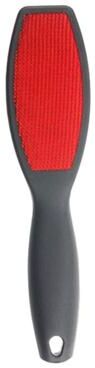
Discount Dollar Deals Lint Brush Wool Coat Removal Brush, Cat Hair Adsorption Remover, Cashmere Coat Electrostatic Supplies Lint Brush Wool Coat Removal Brush, Cat Hair Adsorption Remover, Cashmere Coat Electrostatic SuppliesEfficient Lint Removal for Your Wool & Cashmere Coats Our Lint Brush Wool Coat Removal Brush is the ultimate solution for cleaning your wool and cashmere garments. This brush effectively eliminates lint, dust, and pet hair, keeping your clothes...34,97 $*Shipping: 0,00 $Secure redirect to the provider
-
Inspire Select 2 Pcs Portable Electric Foot File With Vacuum Adsorption Callus Remover Foot Grinder & Pedicure Sander greenSay goodbye to rough heels and messy foot careenjoy smooth, sandalready feet in minutes. This portable electric foot file with vacuum adsorption is designed to remove stubborn calluses and dead skin while helping reduce dust and skin flakes for a...109,93 $*Shipping: 0,00 $Secure redirect to the provider
-
What are questions about adsorption?
Questions about adsorption may include inquiries about the mechanisms and factors that influence the process, such as the surface area and porosity of the adsorbent material, the nature of the adsorbate molecules, and the temperature and pressure conditions. Additionally, questions may focus on the applications of adsorption in various industries, such as environmental remediation, gas purification, and separation processes. Furthermore, inquiries may also explore the potential challenges and limitations of adsorption, as well as the development of new adsorbent materials and technologies. **
-
What is the difference between adsorption and absorption?
Adsorption is the process in which molecules adhere to the surface of a solid or liquid without being absorbed into it, while absorption is the process in which a substance is taken in and retained by another substance. In adsorption, the molecules only adhere to the surface, whereas in absorption, the molecules are taken in and distributed throughout the absorbing material. Adsorption is typically a surface phenomenon, while absorption involves the penetration of molecules into the bulk of the absorbing material. **
-
What is the difference between adhesion force and adsorption force?
Adhesion force refers to the attraction between two different substances, such as the force that causes a sticker to stick to a surface. Adsorption force, on the other hand, refers to the attraction between a substance and the surface of another material, such as the way a gas is attracted to the surface of a solid. In summary, adhesion force involves the attraction between two different substances, while adsorption force involves the attraction between a substance and the surface of another material. **
-
How can chromatography be described as a balance between solubility and adsorption?
Chromatography is a separation technique that relies on the balance between the solubility of the components in the mobile phase and their adsorption onto the stationary phase. The components with higher solubility in the mobile phase will move faster through the stationary phase, while those with higher affinity for the stationary phase will be retained longer. This balance allows for the separation of different components in a mixture based on their unique solubility and adsorption properties. By adjusting the composition of the mobile and stationary phases, chromatography can be optimized to achieve the desired separation of components. **
Similar search terms for Adsorption
-
ENVIRONMENT Diffuser Inspired by The Wynn Hotel® - 200mLVegan and cruelty-free. Diffuser that is inspired by The Wynn Hotel®. Juicy green melon and nectarine blend into a heart of jasmine and lily ending with notes of blackberry and oakmoss.39,28 $*Shipping: 0,00 $Secure redirect to the provider
-
Hama Tahiti Indoor Temperature & humidity sensor Mechanical environment thermometerHama Tahiti. Purpose: Indoor, Sensor type: Temperature & humidity sensor, Type: Mechanical environment thermometer. Width: 110 mm, Depth: 42 mm, Height: 130 mm. Package width: 135 mm, Package depth: 115 mm, Package height: 45 mm. Sustainability certificates: Forest Stewardship Council (FSC)22,49 £*Shipping: 0,00 £Secure redirect to the provider
-
ENVIRONMENT Diffuser Inspired by Delano Beach Club Hotel® - 200mLVegan and cruelty-free. Diffuser that is inspired by Delano Beach Club®. Sunny orange and bergamot are met with a heart of green tea and jasmine followed by notes of lemongrass and a hint of washed woods.43,49 $*Shipping: 0,00 $Secure redirect to the provider
-
Can I turn off the adsorption dryer at night to sleep due to the noise?
Yes, you can turn off the adsorption dryer at night to sleep if the noise is bothersome. However, it's important to consider the impact of turning off the dryer on the overall air quality and moisture levels in the space. If the adsorption dryer is essential for maintaining a specific level of dryness or air quality, then it may be necessary to find a quieter alternative or to mitigate the noise in some other way. Additionally, consider consulting with a professional to find the best solution for your specific situation. **
-
Why do electric vehicles have emissions?
Electric vehicles themselves do not produce tailpipe emissions like traditional internal combustion engine vehicles. However, the production of electricity used to charge electric vehicles can generate emissions depending on the source of the electricity. If the electricity comes from fossil fuel power plants, then there will be emissions associated with the electricity generation process. Additionally, there are emissions associated with the manufacturing and disposal of electric vehicle batteries. Overall, while electric vehicles produce no emissions during operation, there are still emissions associated with their lifecycle. **
-
What is the distribution in thin layer chromatography and what is the difference compared to adsorption?
In thin layer chromatography (TLC), the distribution refers to the separation of components in a mixture based on their distribution between a stationary phase (the thin layer of adsorbent material on a plate) and a mobile phase (the solvent that moves up the plate by capillary action). The difference compared to adsorption is that in TLC, the separation is based on the differential distribution of components between the stationary and mobile phases, whereas in adsorption chromatography, the separation is based on the differential adsorption of components onto the stationary phase. In TLC, the distribution is influenced by factors such as the polarity of the components and the polarity of the stationary and mobile phases. **
-
What are the CO2 emissions of motor vehicles?
The CO2 emissions of motor vehicles vary depending on factors such as the type of vehicle, fuel efficiency, and driving conditions. On average, a passenger car emits around 4.6 metric tons of CO2 per year. Larger vehicles such as SUVs and trucks tend to emit more CO2 due to their higher fuel consumption. Electric vehicles produce zero tailpipe emissions, but their overall emissions depend on the source of electricity used for charging. Overall, reducing the CO2 emissions of motor vehicles is a key focus for addressing climate change and air pollution. **
* All prices are inclusive of VAT and, if applicable, plus shipping costs. The offer information is based on the details provided by the respective shop and is updated through automated processes. Real-time updates do not occur, so deviations can occur in individual cases. ** Note: Parts of this content were created by AI.