Buy milieusticker.eu ?
We are moving the project
milieusticker.eu .
Are you interested in purchasing the domain
milieusticker.eu ?
domain@kv-gmbh.de · 0541-91531010
Buy milieusticker.eu ?
How can adverbial clauses be transformed into adverbial phrases?
Adverbial clauses can be transformed into adverbial phrases by removing the subject and verb of the clause and keeping only the modifying words. This results in a shorter phrase that still conveys the same information as the original clause. For example, the adverbial clause "When the sun sets" can be transformed into the adverbial phrase "At sunset." This transformation helps to simplify sentences and make them more concise. **
What are adverbial clauses and what are adverbial determinations? Help!
Adverbial clauses are groups of words that function as adverbs in a sentence, providing information about time, place, manner, or reason. They often begin with subordinating conjunctions such as "when," "where," "how," or "why." Adverbial determiners, on the other hand, are words or phrases that modify a verb, adjective, or other adverb by providing additional information about time, frequency, degree, or manner. They can include words like "often," "very," "soon," or "almost." Both adverbial clauses and adverbial determiners help to add detail and specificity to a sentence. **
Similar search terms for Adverbial
Top-Angebote
Products related to Adverbial:
-
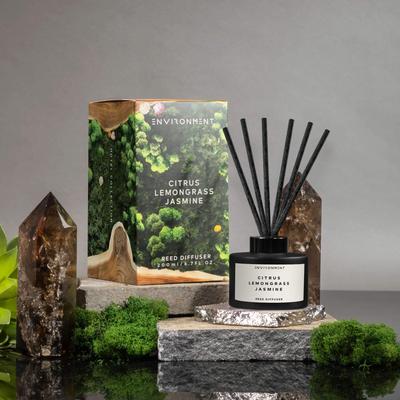
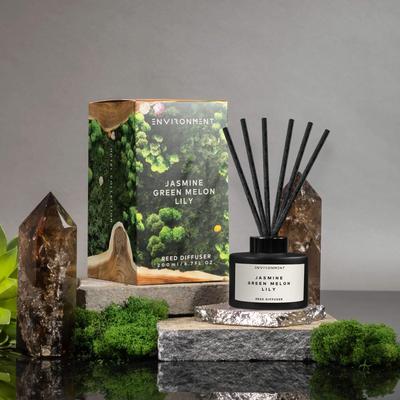
ENVIRONMENT Diffuser Inspired by The Wynn Hotel® - 200mLVegan and cruelty-free. Diffuser that is inspired by The Wynn Hotel®. Juicy green melon and nectarine blend into a heart of jasmine and lily ending with notes of blackberry and oakmoss.39,28 $*Shipping: 0,00 $Secure redirect to the provider
-
Hama Tahiti Indoor Temperature & humidity sensor Mechanical environment thermometerHama Tahiti. Purpose: Indoor, Sensor type: Temperature & humidity sensor, Type: Mechanical environment thermometer. Width: 110 mm, Depth: 42 mm, Height: 130 mm. Package width: 135 mm, Package depth: 115 mm, Package height: 45 mm. Sustainability certificates: Forest Stewardship Council (FSC)22,49 £*Shipping: 0,00 £Secure redirect to the provider
-
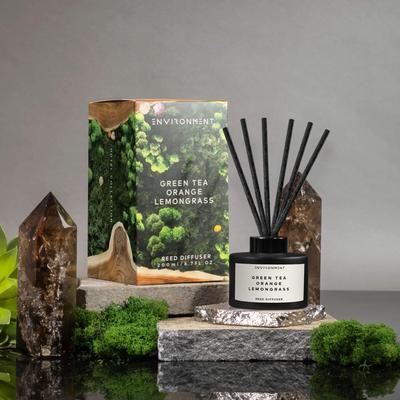
ENVIRONMENT Diffuser Inspired by Delano Beach Club Hotel® - 200mLVegan and cruelty-free. Diffuser that is inspired by Delano Beach Club®. Sunny orange and bergamot are met with a heart of green tea and jasmine followed by notes of lemongrass and a hint of washed woods.43,49 $*Shipping: 0,00 $Secure redirect to the provider

-
How can adverbial phrases be used instead of adverbial clauses?
Adverbial phrases can be used instead of adverbial clauses to provide additional information about the verb, adjective, or adverb in a sentence. Adverbial phrases are often shorter and more concise than adverbial clauses, making them a more efficient way to convey the same information. For example, instead of saying "When the sun sets, we will go for a walk," you can use the adverbial phrase "At sunset, we will go for a walk." This simplifies the sentence while still conveying the same time-related information. **
-
How do you transform adverbial determinations into adverbial clauses? Please help.
To transform adverbial determinations into adverbial clauses, you need to add a subject and a verb to the adverbial determination. For example, the adverbial determination "after the party" can be transformed into the adverbial clause "after we left the party." This transformation allows the adverbial determination to function as a complete clause within a sentence. Additionally, you may need to adjust the tense and structure of the adverbial determination to fit the context of the sentence. **
-
What are adverbial particles?
Adverbial particles are words that are used to modify verbs, adjectives, or other adverbs. They are often used to indicate direction, location, or manner. In English, adverbial particles are commonly used in phrasal verbs, where they are combined with a verb to create a new meaning. For example, in the phrasal verb "look up," the adverbial particle "up" modifies the meaning of the verb "look." **
-
What is the difference between formulating an adverbial clause as an adverbial phrase and formulating an adverbial phrase as an adverbial clause? Aren't they the same thing?
Formulating an adverbial clause as an adverbial phrase involves expressing a clause (a group of words containing a subject and a verb) as a single adverbial phrase, typically by removing the subject and verb. On the other hand, formulating an adverbial phrase as an adverbial clause involves expanding a phrase (a group of related words without a subject and verb) into a full clause by adding a subject and verb. While both adverbial clauses and adverbial phrases serve to modify verbs, adjectives, or other adverbs, they are not the same thing due to their structural differences and the presence or absence of a subject and verb. **


How do adverbial clauses work?
Adverbial clauses function as adverbs within a sentence, providing information about time, place, manner, condition, purpose, or reason. They often begin with subordinating conjunctions such as "when," "where," "how," "if," "because," and "although." These clauses can modify verbs, adjectives, or other adverbs, adding detail and context to the main clause. Adverbial clauses can be placed at the beginning, middle, or end of a sentence, and they help to connect ideas and show the relationship between different parts of a sentence. **
What is an instrumental adverbial?
An instrumental adverbial is a type of adverbial that provides information about the means or instrument used to perform an action. It answers the question "how?" or "by what means?" For example, in the sentence "She cut the vegetables with a knife," the adverbial phrase "with a knife" is instrumental, indicating the tool used to perform the action of cutting. Instrumental adverbials are important for providing additional details about the action being described. **
Top-Angebote
Products related to Adverbial:
-
ENVIRONMENT Diffuser Inspired by The Wynn Hotel® - 200mLVegan and cruelty-free. Diffuser that is inspired by The Wynn Hotel®. Juicy green melon and nectarine blend into a heart of jasmine and lily ending with notes of blackberry and oakmoss.39,28 $*Shipping: 0,00 $Secure redirect to the provider
-
How can adverbial clauses be transformed into adverbial phrases?
Adverbial clauses can be transformed into adverbial phrases by removing the subject and verb of the clause and keeping only the modifying words. This results in a shorter phrase that still conveys the same information as the original clause. For example, the adverbial clause "When the sun sets" can be transformed into the adverbial phrase "At sunset." This transformation helps to simplify sentences and make them more concise. **
-
What are adverbial clauses and what are adverbial determinations? Help!
Adverbial clauses are groups of words that function as adverbs in a sentence, providing information about time, place, manner, or reason. They often begin with subordinating conjunctions such as "when," "where," "how," or "why." Adverbial determiners, on the other hand, are words or phrases that modify a verb, adjective, or other adverb by providing additional information about time, frequency, degree, or manner. They can include words like "often," "very," "soon," or "almost." Both adverbial clauses and adverbial determiners help to add detail and specificity to a sentence. **
-
How can adverbial phrases be used instead of adverbial clauses?
Adverbial phrases can be used instead of adverbial clauses to provide additional information about the verb, adjective, or adverb in a sentence. Adverbial phrases are often shorter and more concise than adverbial clauses, making them a more efficient way to convey the same information. For example, instead of saying "When the sun sets, we will go for a walk," you can use the adverbial phrase "At sunset, we will go for a walk." This simplifies the sentence while still conveying the same time-related information. **
-
How do you transform adverbial determinations into adverbial clauses? Please help.
To transform adverbial determinations into adverbial clauses, you need to add a subject and a verb to the adverbial determination. For example, the adverbial determination "after the party" can be transformed into the adverbial clause "after we left the party." This transformation allows the adverbial determination to function as a complete clause within a sentence. Additionally, you may need to adjust the tense and structure of the adverbial determination to fit the context of the sentence. **
Similar search terms for Adverbial
-
Hama Tahiti Indoor Temperature & humidity sensor Mechanical environment thermometerHama Tahiti. Purpose: Indoor, Sensor type: Temperature & humidity sensor, Type: Mechanical environment thermometer. Width: 110 mm, Depth: 42 mm, Height: 130 mm. Package width: 135 mm, Package depth: 115 mm, Package height: 45 mm. Sustainability certificates: Forest Stewardship Council (FSC)22,49 £*Shipping: 0,00 £Secure redirect to the provider
-
ENVIRONMENT Diffuser Inspired by Delano Beach Club Hotel® - 200mLVegan and cruelty-free. Diffuser that is inspired by Delano Beach Club®. Sunny orange and bergamot are met with a heart of green tea and jasmine followed by notes of lemongrass and a hint of washed woods.43,49 $*Shipping: 0,00 $Secure redirect to the provider
-
Sisley outh Anti-Pollution Energizing and Super Hydrating 40mLA skin-care product for dull skin. Protect, energize, and deeply hydrate your skin with SisleYouth Anti-Pollution. This powerful skincare solution defends against indoor, outdoor, and digital pollution while restoring radiance and vitality. Protects against indoor, outdoor, and blue light pollution.129,11 £*Shipping: 5,34 £Secure redirect to the provider
-
Jander Water Boost Anti-Pollution Moisturizing Face Cream 50mLA facial cream for wrinkles and signs of ageing. It a super-light hydrating moisturizer designed to combat the effects of pollution while delivering intense hydration. This cream helps reduce the appearance of wrinkles and fine lines, making it suitable for all skin types. Intense hydration for a youthful appearance.21,86 £*Shipping: 5,34 £Secure redirect to the provider
-
What are adverbial particles?
Adverbial particles are words that are used to modify verbs, adjectives, or other adverbs. They are often used to indicate direction, location, or manner. In English, adverbial particles are commonly used in phrasal verbs, where they are combined with a verb to create a new meaning. For example, in the phrasal verb "look up," the adverbial particle "up" modifies the meaning of the verb "look." **
-
What is the difference between formulating an adverbial clause as an adverbial phrase and formulating an adverbial phrase as an adverbial clause? Aren't they the same thing?
Formulating an adverbial clause as an adverbial phrase involves expressing a clause (a group of words containing a subject and a verb) as a single adverbial phrase, typically by removing the subject and verb. On the other hand, formulating an adverbial phrase as an adverbial clause involves expanding a phrase (a group of related words without a subject and verb) into a full clause by adding a subject and verb. While both adverbial clauses and adverbial phrases serve to modify verbs, adjectives, or other adverbs, they are not the same thing due to their structural differences and the presence or absence of a subject and verb. **
-
How do adverbial clauses work?
Adverbial clauses function as adverbs within a sentence, providing information about time, place, manner, condition, purpose, or reason. They often begin with subordinating conjunctions such as "when," "where," "how," "if," "because," and "although." These clauses can modify verbs, adjectives, or other adverbs, adding detail and context to the main clause. Adverbial clauses can be placed at the beginning, middle, or end of a sentence, and they help to connect ideas and show the relationship between different parts of a sentence. **
-
What is an instrumental adverbial?
An instrumental adverbial is a type of adverbial that provides information about the means or instrument used to perform an action. It answers the question "how?" or "by what means?" For example, in the sentence "She cut the vegetables with a knife," the adverbial phrase "with a knife" is instrumental, indicating the tool used to perform the action of cutting. Instrumental adverbials are important for providing additional details about the action being described. **
* All prices are inclusive of VAT and, if applicable, plus shipping costs. The offer information is based on the details provided by the respective shop and is updated through automated processes. Real-time updates do not occur, so deviations can occur in individual cases. ** Note: Parts of this content were created by AI.