Buy milieusticker.eu ?
We are moving the project
milieusticker.eu .
Are you interested in purchasing the domain
milieusticker.eu ?
domain@kv-gmbh.de · 0541-91531010
Buy milieusticker.eu ?
What is the difference between criminology and criminalistics?
Criminology is the study of crime, criminals, and the criminal justice system, focusing on the social, psychological, and environmental factors that contribute to criminal behavior. It examines the causes and consequences of crime and seeks to understand how to prevent and control criminal behavior. On the other hand, criminalistics is the scientific analysis and examination of physical evidence related to crime, such as fingerprints, DNA, ballistics, and trace evidence. It involves applying scientific techniques and methods to analyze and interpret evidence in criminal investigations. In summary, criminology focuses on the study of crime and its causes, while criminalistics focuses on the scientific analysis of physical evidence related to crime. **
How can one study police criminalistics and criminology?
One can study police criminalistics and criminology by pursuing a degree in criminal justice, forensic science, or criminology at a college or university. These programs typically offer courses in criminal investigation techniques, forensic analysis, and the study of criminal behavior. Additionally, individuals can gain practical experience through internships with law enforcement agencies or forensic laboratories. Continuing education and professional development opportunities, such as workshops and seminars, can also provide valuable insights into the latest advancements in police criminalistics and criminology. **


Similar search terms for Criminalistics
Top-Angebote
Products related to Criminalistics:
-
ENVIRONMENT Diffuser Inspired by Delano Beach Club Hotel® - 200mLVegan and cruelty-free. Diffuser that is inspired by Delano Beach Club®. Sunny orange and bergamot are met with a heart of green tea and jasmine followed by notes of lemongrass and a hint of washed woods.43,49 $*Shipping: 0,00 $Secure redirect to the provider
-
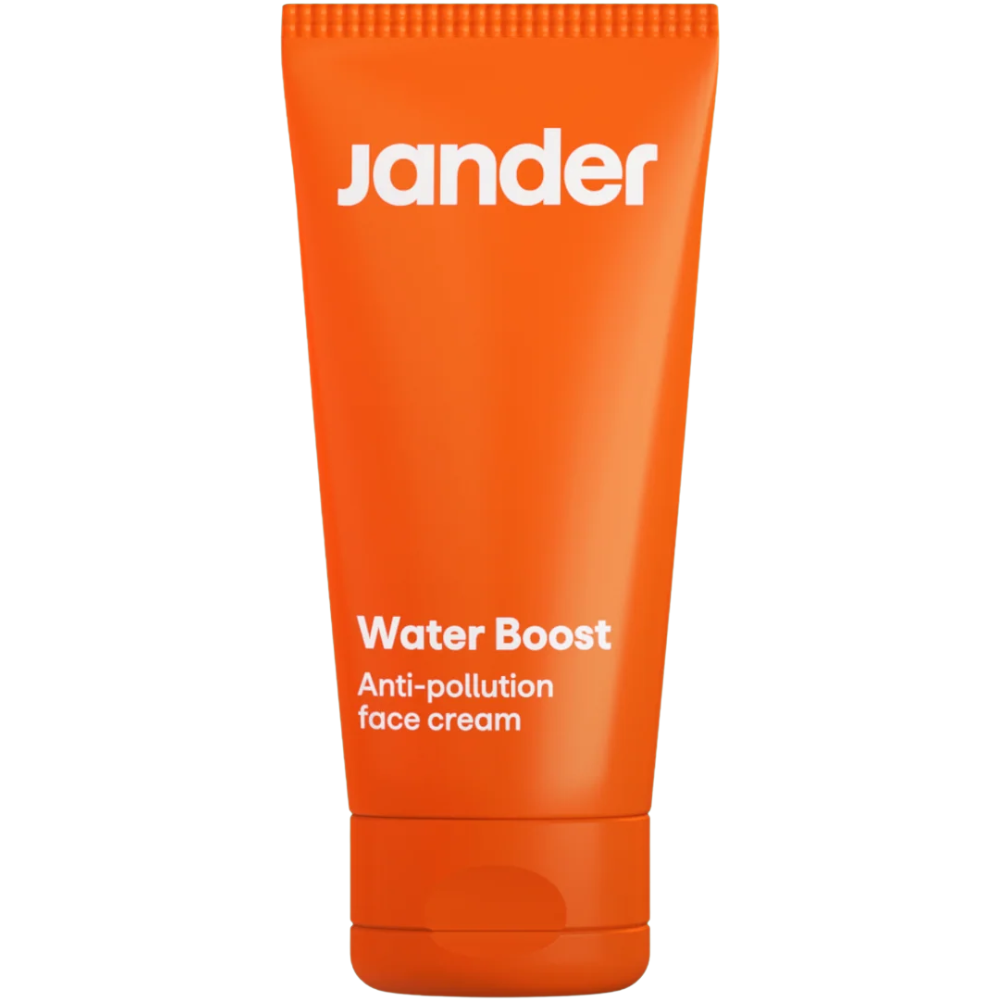
Jander Water Boost Anti-Pollution Moisturizing Face Cream 50mLA facial cream for wrinkles and signs of ageing. It a super-light hydrating moisturizer designed to combat the effects of pollution while delivering intense hydration. This cream helps reduce the appearance of wrinkles and fine lines, making it suitable for all skin types. Intense hydration for a youthful appearance.21,86 £*Shipping: 5,34 £Secure redirect to the provider
-
Sisley outh Anti-Pollution Energizing and Super Hydrating 40mLA skin-care product for dull skin. Protect, energize, and deeply hydrate your skin with SisleYouth Anti-Pollution. This powerful skincare solution defends against indoor, outdoor, and digital pollution while restoring radiance and vitality. Protects against indoor, outdoor, and blue light pollution.121,52 £*Shipping: 5,34 £Secure redirect to the provider



-
What is the difference between forensics and criminalistics?
Forensics is the application of scientific methods and techniques to solve crimes and legal issues, while criminalistics is a branch of forensic science that focuses specifically on the analysis of physical evidence in criminal investigations. Forensics encompasses a broader range of disciplines, including DNA analysis, toxicology, and crime scene investigation, while criminalistics is more narrowly focused on the collection, preservation, and analysis of physical evidence such as fingerprints, ballistics, and trace evidence. In summary, forensics is the overarching field that includes criminalistics as a specialized area of study within it. **
-
Where are internships available in the field of criminalistics?
Internships in the field of criminalistics are available in various settings such as forensic laboratories, law enforcement agencies, government agencies, and private forensic consulting firms. These internships provide hands-on experience in areas such as crime scene investigation, evidence collection and analysis, forensic technology, and courtroom procedures. Students pursuing a career in criminalistics can gain valuable skills and knowledge through these internships, which can help them secure future employment in the field. **
-
What is the difference between criminalistics and crime scene investigation?
Criminalistics is the scientific analysis of physical evidence in a crime laboratory setting, focusing on techniques such as fingerprint analysis, DNA testing, and ballistics. Crime scene investigation, on the other hand, involves the collection and preservation of physical evidence at the actual crime scene. Crime scene investigators are responsible for documenting the scene, collecting evidence, and ensuring the integrity of the evidence for further analysis by criminalists. In essence, criminalistics is the analysis of evidence in a controlled laboratory environment, while crime scene investigation involves the initial collection and documentation of evidence at the scene of the crime. **
-
In which subject should I write my paper on criminology/criminalistics?
When choosing a subject for your paper on criminology/criminalistics, consider your interests and the specific aspects of the field that intrigue you the most. You could focus on a particular type of crime, such as cybercrime or white-collar crime, or delve into forensic techniques used in criminal investigations. Additionally, exploring the impact of criminological theories on criminal behavior or analyzing the effectiveness of crime prevention strategies could also make for a compelling paper. Ultimately, the subject you choose should align with your academic goals and allow you to showcase your understanding of key concepts in criminology/criminalistics. **

How can one enter the profession of criminalistics and evidence collection?
To enter the profession of criminalistics and evidence collection, one typically needs a combination of education and experience. Many professionals in this field have a bachelor's degree in forensic science, criminal justice, or a related field. Some may also pursue a graduate degree for advanced opportunities. Additionally, gaining hands-on experience through internships, volunteer work, or entry-level positions in law enforcement or forensic labs can be beneficial. It's also important to stay updated on the latest technologies and techniques in the field through continuing education and professional development opportunities. **
How can one enter the profession of criminalistics and evidence preservation?
To enter the profession of criminalistics and evidence preservation, one typically needs a combination of education and experience. A bachelor's degree in forensic science, criminal justice, or a related field is often required. Some positions may also require a master's degree or specialized certification. Gaining experience through internships or entry-level positions in law enforcement agencies, crime labs, or forensic science departments can also be beneficial. Additionally, staying current on advancements in technology and techniques in the field is important for career advancement in criminalistics and evidence preservation. **
Top-Angebote
Products related to Criminalistics:
-
ENVIRONMENT Diffuser Inspired by The Wynn Hotel® - 200mLVegan and cruelty-free. Diffuser that is inspired by The Wynn Hotel®. Juicy green melon and nectarine blend into a heart of jasmine and lily ending with notes of blackberry and oakmoss.39,28 $*Shipping: 0,00 $Secure redirect to the provider
-
ENVIRONMENT Diffuser Inspired by Delano Beach Club Hotel® - 200mLVegan and cruelty-free. Diffuser that is inspired by Delano Beach Club®. Sunny orange and bergamot are met with a heart of green tea and jasmine followed by notes of lemongrass and a hint of washed woods.43,49 $*Shipping: 0,00 $Secure redirect to the provider
-
What is the difference between criminology and criminalistics?
Criminology is the study of crime, criminals, and the criminal justice system, focusing on the social, psychological, and environmental factors that contribute to criminal behavior. It examines the causes and consequences of crime and seeks to understand how to prevent and control criminal behavior. On the other hand, criminalistics is the scientific analysis and examination of physical evidence related to crime, such as fingerprints, DNA, ballistics, and trace evidence. It involves applying scientific techniques and methods to analyze and interpret evidence in criminal investigations. In summary, criminology focuses on the study of crime and its causes, while criminalistics focuses on the scientific analysis of physical evidence related to crime. **
-
How can one study police criminalistics and criminology?
One can study police criminalistics and criminology by pursuing a degree in criminal justice, forensic science, or criminology at a college or university. These programs typically offer courses in criminal investigation techniques, forensic analysis, and the study of criminal behavior. Additionally, individuals can gain practical experience through internships with law enforcement agencies or forensic laboratories. Continuing education and professional development opportunities, such as workshops and seminars, can also provide valuable insights into the latest advancements in police criminalistics and criminology. **
-
What is the difference between forensics and criminalistics?
Forensics is the application of scientific methods and techniques to solve crimes and legal issues, while criminalistics is a branch of forensic science that focuses specifically on the analysis of physical evidence in criminal investigations. Forensics encompasses a broader range of disciplines, including DNA analysis, toxicology, and crime scene investigation, while criminalistics is more narrowly focused on the collection, preservation, and analysis of physical evidence such as fingerprints, ballistics, and trace evidence. In summary, forensics is the overarching field that includes criminalistics as a specialized area of study within it. **
-
Where are internships available in the field of criminalistics?
Internships in the field of criminalistics are available in various settings such as forensic laboratories, law enforcement agencies, government agencies, and private forensic consulting firms. These internships provide hands-on experience in areas such as crime scene investigation, evidence collection and analysis, forensic technology, and courtroom procedures. Students pursuing a career in criminalistics can gain valuable skills and knowledge through these internships, which can help them secure future employment in the field. **
Similar search terms for Criminalistics
-
Jander Water Boost Anti-Pollution Moisturizing Face Cream 50mLA facial cream for wrinkles and signs of ageing. It a super-light hydrating moisturizer designed to combat the effects of pollution while delivering intense hydration. This cream helps reduce the appearance of wrinkles and fine lines, making it suitable for all skin types. Intense hydration for a youthful appearance.21,86 £*Shipping: 5,34 £Secure redirect to the provider
-
Sisley outh Anti-Pollution Energizing and Super Hydrating 40mLA skin-care product for dull skin. Protect, energize, and deeply hydrate your skin with SisleYouth Anti-Pollution. This powerful skincare solution defends against indoor, outdoor, and digital pollution while restoring radiance and vitality. Protects against indoor, outdoor, and blue light pollution.121,52 £*Shipping: 5,34 £Secure redirect to the provider
-
Uriage Bariederm Insulating Barrier Cream protective anti-pollution cream 75 mlUriage Bariederm Insulating Barrier Cream, 75 ml, Body Creams for Women, Do you need urgent care for dry or damaged skin? When it comes to skin hydration and regeneration, sometimes it is best to rely on tried-and-trusted classics. Uriage Bariederm Insulating Barrier Cream vaseline forms a protective barrier on skin that retains moisture and prevents it from drying out or getting damaged. It also supports skin renewal, accelerates regeneration and ensures proper lubrication. Characteristics: strengthens the skin barrier reduces skin itching and burning restores skin comfort and vitality easy to apply, easily absorbed and non-sticky Ingredients: dermatologically tested How to use: Create a thin, translucent film on the skin. Use as needed.6,97 £*Shipping: 3,99 £Secure redirect to the provider
-
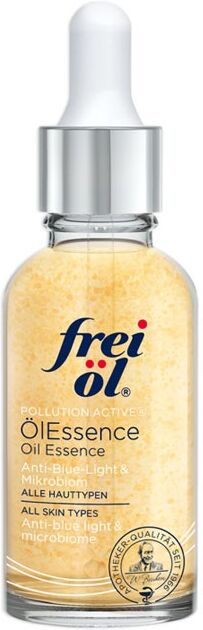
Frei Ol Skincare Frei OI Skincare Pollution Active Oil Essence 30mlThis facial oil is one of frei ol's Best selling products - A lightweight, super absorbent facial oil that calms stressed skin for smoother, plumped radiance skin all year round. It contains a combination of 3 ultramodern extracts: Carrot extract - which blocks blue light (e.g. part of the sunlight, smartphones) that can lead to oxidative stress in the skin caused by the formation of free radicals. Algae extract - which regulates the microbiome of stressed skin. Beetroot extract - which smooths and noticeably moisturises the skin. Key Benefits - Anti-blue light: Protects against blue light, which contributes to premature skin aging (oxidative stress) - Regenerates the microbiome of stressed skin* with algae extract (*in-vivo test with pure active substance) - Moisturises and smooths the skin with beetroot extract - Nourishes the skin with Argan oil and vitamin E Ingredients Aqua, Butylene Glycol, Fructooligosaccharides, Beta Vulgaris Root Extract, Laminaria Digitata Extract, Chlorella Vulgaris Extract, Daucus Carota Sativa Root Extract, Maris Aqua, Canola Oil, Daucus Carota Sativa Seed Oil, Helianthus Annuus Seed Oil, Argania Spinosa Kernel Oil, Magnesium Aspartate, Sodium Hyaluronate, Caffeine, Tocopherol, Tocopheryl Acetate, Beta-Carotene, Copper Gluconate, Zinc Gluconate, Caprylic/Capric/ Succinic Triglyceride, Lactic Acid, Potassium Lactate, Glycerin, Parfum, Caprylhydroxamic Acid, Saccharide Isomerate, Sodium Gluconate, Xanthan Gum, 1,2-Hexanediol, Citric Acid, Ethylhexylglycerin, Sodium Benzoate, Potassium Sorbate, Phenoxyethanol. Alcohol, Colorants, Microplastics*, Mineral oil (Paraffin), Parabens, PEG/PEG-derivates, Silicone *Formula without microplastics as defined by the German Environment Agency (2020)30,00 £*Shipping: 0,00 £Secure redirect to the provider
-
What is the difference between criminalistics and crime scene investigation?
Criminalistics is the scientific analysis of physical evidence in a crime laboratory setting, focusing on techniques such as fingerprint analysis, DNA testing, and ballistics. Crime scene investigation, on the other hand, involves the collection and preservation of physical evidence at the actual crime scene. Crime scene investigators are responsible for documenting the scene, collecting evidence, and ensuring the integrity of the evidence for further analysis by criminalists. In essence, criminalistics is the analysis of evidence in a controlled laboratory environment, while crime scene investigation involves the initial collection and documentation of evidence at the scene of the crime. **
-
In which subject should I write my paper on criminology/criminalistics?
When choosing a subject for your paper on criminology/criminalistics, consider your interests and the specific aspects of the field that intrigue you the most. You could focus on a particular type of crime, such as cybercrime or white-collar crime, or delve into forensic techniques used in criminal investigations. Additionally, exploring the impact of criminological theories on criminal behavior or analyzing the effectiveness of crime prevention strategies could also make for a compelling paper. Ultimately, the subject you choose should align with your academic goals and allow you to showcase your understanding of key concepts in criminology/criminalistics. **
-
How can one enter the profession of criminalistics and evidence collection?
To enter the profession of criminalistics and evidence collection, one typically needs a combination of education and experience. Many professionals in this field have a bachelor's degree in forensic science, criminal justice, or a related field. Some may also pursue a graduate degree for advanced opportunities. Additionally, gaining hands-on experience through internships, volunteer work, or entry-level positions in law enforcement or forensic labs can be beneficial. It's also important to stay updated on the latest technologies and techniques in the field through continuing education and professional development opportunities. **
-
How can one enter the profession of criminalistics and evidence preservation?
To enter the profession of criminalistics and evidence preservation, one typically needs a combination of education and experience. A bachelor's degree in forensic science, criminal justice, or a related field is often required. Some positions may also require a master's degree or specialized certification. Gaining experience through internships or entry-level positions in law enforcement agencies, crime labs, or forensic science departments can also be beneficial. Additionally, staying current on advancements in technology and techniques in the field is important for career advancement in criminalistics and evidence preservation. **
* All prices are inclusive of VAT and, if applicable, plus shipping costs. The offer information is based on the details provided by the respective shop and is updated through automated processes. Real-time updates do not occur, so deviations can occur in individual cases. ** Note: Parts of this content were created by AI.