Buy milieusticker.eu ?
We are moving the project
milieusticker.eu .
Are you interested in purchasing the domain
milieusticker.eu ?
domain@kv-gmbh.de · 0541-91531010
Buy milieusticker.eu ?
What happens after mycelium has formed?
After mycelium has formed, it continues to grow and spread through its environment in search of nutrients. As it grows, it may come into contact with other mycelium networks and form connections, creating a larger fungal network. Eventually, the mycelium may produce fruiting bodies such as mushrooms, which are the reproductive structures of the fungus. These mushrooms release spores, allowing the fungus to reproduce and continue its life cycle. **
What is a fungal mycelium made of?
A fungal mycelium is made of a network of thread-like structures called hyphae. These hyphae are composed of long, branching chains of cells that make up the body of the fungus. The mycelium acts as the main vegetative part of the fungus, responsible for absorbing nutrients from its environment and supporting the growth and reproduction of the organism. The interconnected network of hyphae allows the mycelium to spread and colonize its substrate, whether it be soil, wood, or another organic material. **
Similar search terms for Mycelium
Top-Angebote
Products related to Mycelium:
-
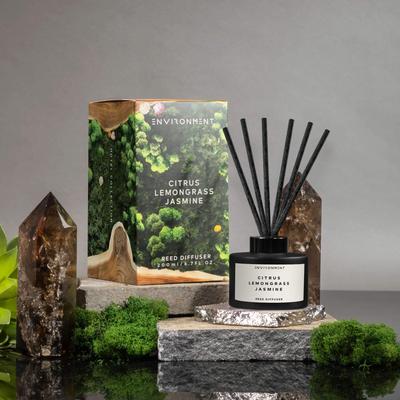
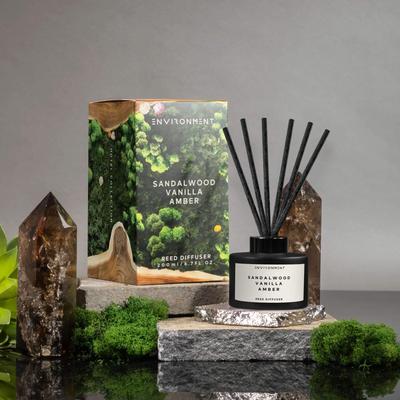
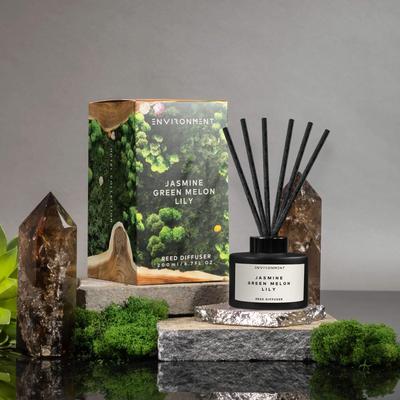
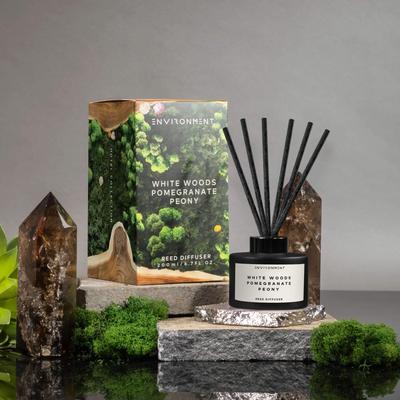
ENVIRONMENT Diffuser Inspired by The Wynn Hotel® - 200mLVegan and cruelty-free. Diffuser that is inspired by The Wynn Hotel®. Juicy green melon and nectarine blend into a heart of jasmine and lily ending with notes of blackberry and oakmoss.39,28 $*Shipping: 0,00 $Secure redirect to the provider
-
Hama Tahiti Indoor Temperature & humidity sensor Mechanical environment thermometerHama Tahiti. Purpose: Indoor, Sensor type: Temperature & humidity sensor, Type: Mechanical environment thermometer. Width: 110 mm, Depth: 42 mm, Height: 130 mm. Package width: 135 mm, Package depth: 115 mm, Package height: 45 mm. Sustainability certificates: Forest Stewardship Council (FSC)22,49 £*Shipping: 0,00 £Secure redirect to the provider
-
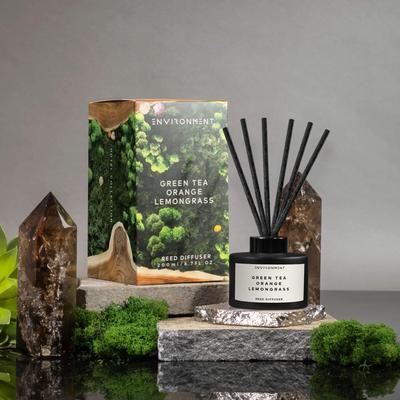
ENVIRONMENT Diffuser Inspired by Delano Beach Club Hotel® - 200mLVegan and cruelty-free. Diffuser that is inspired by Delano Beach Club®. Sunny orange and bergamot are met with a heart of green tea and jasmine followed by notes of lemongrass and a hint of washed woods.43,49 $*Shipping: 0,00 $Secure redirect to the provider

-
Do mushroom mycelium die at sub-zero temperatures?
Mushroom mycelium can survive at sub-zero temperatures, but they may become dormant or slow down their growth. Some species of mushroom mycelium are adapted to cold temperatures and can even thrive in sub-zero conditions. However, extreme cold can still damage or kill the mycelium, especially if it is not acclimated to such conditions. Overall, while some mushroom mycelium can survive sub-zero temperatures, it depends on the specific species and their ability to adapt to cold environments. **
-
How can one distinguish the mycelium of a mushroom from mold?
One way to distinguish the mycelium of a mushroom from mold is by looking at the color and texture. Mycelium of a mushroom is typically white or light-colored and has a fluffy or cotton-like appearance. Mold, on the other hand, can be various colors such as green, black, or gray, and may appear fuzzy or slimy. Additionally, mycelium of a mushroom is usually found growing in a specific pattern around the base of the mushroom, while mold can spread rapidly and cover a larger area. **
-
How can one distinguish the mushroom mycelium from mold on a mushroom?
Mycelium is the vegetative part of a fungus and is typically found growing within the substrate of the mushroom. It appears as a network of white, thread-like strands. Mold, on the other hand, is a type of fungus that can grow on the surface of the mushroom and appears as fuzzy, discolored patches. Additionally, mycelium is essential for the growth and development of the mushroom, while mold can be harmful and lead to spoilage. Therefore, by observing the location and appearance of the growth, one can distinguish between mycelium and mold on a mushroom. **
-
Why do electric vehicles have emissions?
Electric vehicles themselves do not produce tailpipe emissions like traditional internal combustion engine vehicles. However, the production of electricity used to charge electric vehicles can generate emissions depending on the source of the electricity. If the electricity comes from fossil fuel power plants, then there will be emissions associated with the electricity generation process. Additionally, there are emissions associated with the manufacturing and disposal of electric vehicle batteries. Overall, while electric vehicles produce no emissions during operation, there are still emissions associated with their lifecycle. **


Why can cultivated mushrooms only be harvested 3 times? Do the mycelium die? What about wild mushrooms?
Cultivated mushrooms can only be harvested 3 times because after that, the mycelium, which is the vegetative part of the fungus, becomes depleted of nutrients and loses its ability to produce mushrooms. The mycelium itself does not die, but it becomes less productive. In the case of wild mushrooms, they can continue to produce mushrooms for many years because they are able to access a wider range of nutrients and resources in their natural environment. Additionally, wild mushrooms have evolved to thrive in their specific ecological niche, allowing them to continue producing mushrooms over a longer period of time. **
What are the CO2 emissions of motor vehicles?
The CO2 emissions of motor vehicles vary depending on factors such as the type of vehicle, fuel efficiency, and driving conditions. On average, a passenger car emits around 4.6 metric tons of CO2 per year. Larger vehicles such as SUVs and trucks tend to emit more CO2 due to their higher fuel consumption. Electric vehicles produce zero tailpipe emissions, but their overall emissions depend on the source of electricity used for charging. Overall, reducing the CO2 emissions of motor vehicles is a key focus for addressing climate change and air pollution. **
Top-Angebote
Products related to Mycelium:
-
ENVIRONMENT Diffuser Inspired by The Wynn Hotel® - 200mLVegan and cruelty-free. Diffuser that is inspired by The Wynn Hotel®. Juicy green melon and nectarine blend into a heart of jasmine and lily ending with notes of blackberry and oakmoss.39,28 $*Shipping: 0,00 $Secure redirect to the provider
-
What happens after mycelium has formed?
After mycelium has formed, it continues to grow and spread through its environment in search of nutrients. As it grows, it may come into contact with other mycelium networks and form connections, creating a larger fungal network. Eventually, the mycelium may produce fruiting bodies such as mushrooms, which are the reproductive structures of the fungus. These mushrooms release spores, allowing the fungus to reproduce and continue its life cycle. **
-
What is a fungal mycelium made of?
A fungal mycelium is made of a network of thread-like structures called hyphae. These hyphae are composed of long, branching chains of cells that make up the body of the fungus. The mycelium acts as the main vegetative part of the fungus, responsible for absorbing nutrients from its environment and supporting the growth and reproduction of the organism. The interconnected network of hyphae allows the mycelium to spread and colonize its substrate, whether it be soil, wood, or another organic material. **
-
Do mushroom mycelium die at sub-zero temperatures?
Mushroom mycelium can survive at sub-zero temperatures, but they may become dormant or slow down their growth. Some species of mushroom mycelium are adapted to cold temperatures and can even thrive in sub-zero conditions. However, extreme cold can still damage or kill the mycelium, especially if it is not acclimated to such conditions. Overall, while some mushroom mycelium can survive sub-zero temperatures, it depends on the specific species and their ability to adapt to cold environments. **
-
How can one distinguish the mycelium of a mushroom from mold?
One way to distinguish the mycelium of a mushroom from mold is by looking at the color and texture. Mycelium of a mushroom is typically white or light-colored and has a fluffy or cotton-like appearance. Mold, on the other hand, can be various colors such as green, black, or gray, and may appear fuzzy or slimy. Additionally, mycelium of a mushroom is usually found growing in a specific pattern around the base of the mushroom, while mold can spread rapidly and cover a larger area. **
Similar search terms for Mycelium
-
Hama Tahiti Indoor Temperature & humidity sensor Mechanical environment thermometerHama Tahiti. Purpose: Indoor, Sensor type: Temperature & humidity sensor, Type: Mechanical environment thermometer. Width: 110 mm, Depth: 42 mm, Height: 130 mm. Package width: 135 mm, Package depth: 115 mm, Package height: 45 mm. Sustainability certificates: Forest Stewardship Council (FSC)22,49 £*Shipping: 0,00 £Secure redirect to the provider
-
ENVIRONMENT Diffuser Inspired by Delano Beach Club Hotel® - 200mLVegan and cruelty-free. Diffuser that is inspired by Delano Beach Club®. Sunny orange and bergamot are met with a heart of green tea and jasmine followed by notes of lemongrass and a hint of washed woods.43,49 $*Shipping: 0,00 $Secure redirect to the provider
-
Sisley outh Anti-Pollution Energizing and Super Hydrating 40mLA skin-care product for dull skin. Protect, energize, and deeply hydrate your skin with SisleYouth Anti-Pollution. This powerful skincare solution defends against indoor, outdoor, and digital pollution while restoring radiance and vitality. Protects against indoor, outdoor, and blue light pollution.129,11 £*Shipping: 5,34 £Secure redirect to the provider
-
Jander Water Boost Anti-Pollution Moisturizing Face Cream 50mLA facial cream for wrinkles and signs of ageing. It a super-light hydrating moisturizer designed to combat the effects of pollution while delivering intense hydration. This cream helps reduce the appearance of wrinkles and fine lines, making it suitable for all skin types. Intense hydration for a youthful appearance.21,86 £*Shipping: 5,34 £Secure redirect to the provider
-
How can one distinguish the mushroom mycelium from mold on a mushroom?
Mycelium is the vegetative part of a fungus and is typically found growing within the substrate of the mushroom. It appears as a network of white, thread-like strands. Mold, on the other hand, is a type of fungus that can grow on the surface of the mushroom and appears as fuzzy, discolored patches. Additionally, mycelium is essential for the growth and development of the mushroom, while mold can be harmful and lead to spoilage. Therefore, by observing the location and appearance of the growth, one can distinguish between mycelium and mold on a mushroom. **
-
Why do electric vehicles have emissions?
Electric vehicles themselves do not produce tailpipe emissions like traditional internal combustion engine vehicles. However, the production of electricity used to charge electric vehicles can generate emissions depending on the source of the electricity. If the electricity comes from fossil fuel power plants, then there will be emissions associated with the electricity generation process. Additionally, there are emissions associated with the manufacturing and disposal of electric vehicle batteries. Overall, while electric vehicles produce no emissions during operation, there are still emissions associated with their lifecycle. **
-
Why can cultivated mushrooms only be harvested 3 times? Do the mycelium die? What about wild mushrooms?
Cultivated mushrooms can only be harvested 3 times because after that, the mycelium, which is the vegetative part of the fungus, becomes depleted of nutrients and loses its ability to produce mushrooms. The mycelium itself does not die, but it becomes less productive. In the case of wild mushrooms, they can continue to produce mushrooms for many years because they are able to access a wider range of nutrients and resources in their natural environment. Additionally, wild mushrooms have evolved to thrive in their specific ecological niche, allowing them to continue producing mushrooms over a longer period of time. **
-
What are the CO2 emissions of motor vehicles?
The CO2 emissions of motor vehicles vary depending on factors such as the type of vehicle, fuel efficiency, and driving conditions. On average, a passenger car emits around 4.6 metric tons of CO2 per year. Larger vehicles such as SUVs and trucks tend to emit more CO2 due to their higher fuel consumption. Electric vehicles produce zero tailpipe emissions, but their overall emissions depend on the source of electricity used for charging. Overall, reducing the CO2 emissions of motor vehicles is a key focus for addressing climate change and air pollution. **
* All prices are inclusive of VAT and, if applicable, plus shipping costs. The offer information is based on the details provided by the respective shop and is updated through automated processes. Real-time updates do not occur, so deviations can occur in individual cases. ** Note: Parts of this content were created by AI.