Buy milieusticker.eu ?
We are moving the project
milieusticker.eu .
Are you interested in purchasing the domain
milieusticker.eu ?
domain@kv-gmbh.de · 0541-91531010
Buy milieusticker.eu ?
What is neutralization?
Neutralization is a chemical reaction between an acid and a base that results in the formation of water and a salt. The acid donates a hydrogen ion (H+) to the base, which accepts it, forming water. The remaining ions from the acid and base combine to form a salt. This reaction helps to neutralize the acidic or basic properties of the substances involved, resulting in a more balanced pH. **
What does neutralization mean?
Neutralization is a chemical reaction in which an acid and a base react to form a salt and water. The acid donates a hydrogen ion (H+) and the base donates a hydroxide ion (OH-) to form water, while the remaining ions combine to form a salt. This reaction effectively neutralizes the acidic and basic properties of the original substances, resulting in a solution that is neither acidic nor basic. Neutralization is commonly used in various applications, such as in the treatment of acidic soil, in the production of pharmaceuticals, and in the neutralization of acidic waste. **

Similar search terms for Neutralization
Top-Angebote
Products related to Neutralization:
-
Hama Tahiti Indoor Temperature & humidity sensor Mechanical environment thermometerHama Tahiti. Purpose: Indoor, Sensor type: Temperature & humidity sensor, Type: Mechanical environment thermometer. Width: 110 mm, Depth: 42 mm, Height: 130 mm. Package width: 135 mm, Package depth: 115 mm, Package height: 45 mm. Sustainability certificates: Forest Stewardship Council (FSC)22,49 £*Shipping: 0,00 £Secure redirect to the provider
-
ENVIRONMENT Diffuser Inspired by The Wynn Hotel® - 200mLVegan and cruelty-free. Diffuser that is inspired by The Wynn Hotel®. Juicy green melon and nectarine blend into a heart of jasmine and lily ending with notes of blackberry and oakmoss.39,28 $*Shipping: 0,00 $Secure redirect to the provider




-
How does neutralization work?
Neutralization is a chemical reaction in which an acid and a base react to form water and a salt. The acid donates a hydrogen ion (H+) to the base, which then accepts the hydrogen ion to form water. The remaining ions from the acid and base combine to form a salt. This reaction effectively neutralizes the acidic and basic properties of the original substances, resulting in a solution that is closer to a neutral pH of 7. **
-
What is a specific neutralization?
A specific neutralization is a chemical reaction in which an acid and a base react to form a salt and water. The reaction involves the transfer of protons from the acid to the base, resulting in the formation of a neutral solution. This process is often used in various industries, such as wastewater treatment and pharmaceuticals, to control pH levels and neutralize harmful substances. **
-
What is neutralization in chemistry?
Neutralization in chemistry is a chemical reaction between an acid and a base, resulting in the formation of water and a salt. The reaction involves the transfer of protons from the acid to the base, leading to the formation of water molecules. This process helps to neutralize the acidic or basic properties of the substances involved, resulting in a solution that is closer to a neutral pH of 7. Neutralization reactions are commonly used in various applications, such as in the preparation of pharmaceuticals, food processing, and environmental remediation. **
-
What is acid-base neutralization?
Acid-base neutralization is a chemical reaction that occurs when an acid and a base react with each other to form water and a salt. The acid donates a hydrogen ion (H+) to the base, which then accepts the hydrogen ion to form water. This reaction results in the neutralization of the acidic and basic properties, leading to the formation of a neutral solution. The salt formed in the process may also contribute to the overall pH of the solution. **


Why does neutralization heat occur?
Neutralization heat occurs because when an acid and a base react, they release energy in the form of heat. This is due to the exothermic nature of the neutralization reaction, where the acid and base combine to form water and a salt. The formation of water and the breaking of chemical bonds in the reactants release energy, resulting in the production of heat. This heat is a result of the change in the chemical potential energy of the reactants and products during the neutralization reaction. **
'What forms during a neutralization?'
During a neutralization reaction, an acid and a base react to form water and a salt. The hydrogen ions from the acid combine with the hydroxide ions from the base to form water, while the remaining ions from the acid and the base combine to form a salt. This reaction results in the neutralization of the acidic and basic properties, leading to the formation of a neutral solution. **
Top-Angebote
Products related to Neutralization:
-
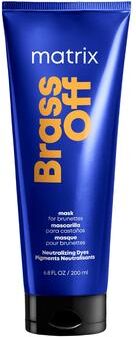
MATRIX Brass Off Neutralization MaskThe Brass Off Custom Neutralization Hair Mask is a professional color depositing formula that neutralizes brassy tones. Get up to 10X less breakage with our most neutralizing haircare system. Highly pigmented blue-violet tones neutralize and...29,99 $*Shipping: 0,00 $Secure redirect to the provider
-
Schwarzkopf BLONDME Premium Lightener 9+ Advanced Neutralization 450gA hair-care product. Lifts up to 9 levels, even on dark bases. Integrated Anti-Metal Bond Protection minimizes breakage. No extra bonding or anti-metal treatments needed. Advanced neutralisation with anti-yellow agents. Suitable for all lightening techniques. Biodegradable Chelating Agent: Neutralises metal ions in the hair to prevent breakage.34,60 £*Shipping: 10,02 £Secure redirect to the provider
-
What is neutralization?
Neutralization is a chemical reaction between an acid and a base that results in the formation of water and a salt. The acid donates a hydrogen ion (H+) to the base, which accepts it, forming water. The remaining ions from the acid and base combine to form a salt. This reaction helps to neutralize the acidic or basic properties of the substances involved, resulting in a more balanced pH. **
-
What does neutralization mean?
Neutralization is a chemical reaction in which an acid and a base react to form a salt and water. The acid donates a hydrogen ion (H+) and the base donates a hydroxide ion (OH-) to form water, while the remaining ions combine to form a salt. This reaction effectively neutralizes the acidic and basic properties of the original substances, resulting in a solution that is neither acidic nor basic. Neutralization is commonly used in various applications, such as in the treatment of acidic soil, in the production of pharmaceuticals, and in the neutralization of acidic waste. **
-
How does neutralization work?
Neutralization is a chemical reaction in which an acid and a base react to form water and a salt. The acid donates a hydrogen ion (H+) to the base, which then accepts the hydrogen ion to form water. The remaining ions from the acid and base combine to form a salt. This reaction effectively neutralizes the acidic and basic properties of the original substances, resulting in a solution that is closer to a neutral pH of 7. **
-
What is a specific neutralization?
A specific neutralization is a chemical reaction in which an acid and a base react to form a salt and water. The reaction involves the transfer of protons from the acid to the base, resulting in the formation of a neutral solution. This process is often used in various industries, such as wastewater treatment and pharmaceuticals, to control pH levels and neutralize harmful substances. **
Similar search terms for Neutralization
-
Hama Tahiti Indoor Temperature & humidity sensor Mechanical environment thermometerHama Tahiti. Purpose: Indoor, Sensor type: Temperature & humidity sensor, Type: Mechanical environment thermometer. Width: 110 mm, Depth: 42 mm, Height: 130 mm. Package width: 135 mm, Package depth: 115 mm, Package height: 45 mm. Sustainability certificates: Forest Stewardship Council (FSC)22,49 £*Shipping: 0,00 £Secure redirect to the provider
-
ENVIRONMENT Diffuser Inspired by The Wynn Hotel® - 200mLVegan and cruelty-free. Diffuser that is inspired by The Wynn Hotel®. Juicy green melon and nectarine blend into a heart of jasmine and lily ending with notes of blackberry and oakmoss.39,28 $*Shipping: 0,00 $Secure redirect to the provider
-
ENVIRONMENT Diffuser Inspired by Delano Beach Club Hotel® - 200mLVegan and cruelty-free. Diffuser that is inspired by Delano Beach Club®. Sunny orange and bergamot are met with a heart of green tea and jasmine followed by notes of lemongrass and a hint of washed woods.43,49 $*Shipping: 0,00 $Secure redirect to the provider
-
What is neutralization in chemistry?
Neutralization in chemistry is a chemical reaction between an acid and a base, resulting in the formation of water and a salt. The reaction involves the transfer of protons from the acid to the base, leading to the formation of water molecules. This process helps to neutralize the acidic or basic properties of the substances involved, resulting in a solution that is closer to a neutral pH of 7. Neutralization reactions are commonly used in various applications, such as in the preparation of pharmaceuticals, food processing, and environmental remediation. **
-
What is acid-base neutralization?
Acid-base neutralization is a chemical reaction that occurs when an acid and a base react with each other to form water and a salt. The acid donates a hydrogen ion (H+) to the base, which then accepts the hydrogen ion to form water. This reaction results in the neutralization of the acidic and basic properties, leading to the formation of a neutral solution. The salt formed in the process may also contribute to the overall pH of the solution. **
-
Why does neutralization heat occur?
Neutralization heat occurs because when an acid and a base react, they release energy in the form of heat. This is due to the exothermic nature of the neutralization reaction, where the acid and base combine to form water and a salt. The formation of water and the breaking of chemical bonds in the reactants release energy, resulting in the production of heat. This heat is a result of the change in the chemical potential energy of the reactants and products during the neutralization reaction. **
-
'What forms during a neutralization?'
During a neutralization reaction, an acid and a base react to form water and a salt. The hydrogen ions from the acid combine with the hydroxide ions from the base to form water, while the remaining ions from the acid and the base combine to form a salt. This reaction results in the neutralization of the acidic and basic properties, leading to the formation of a neutral solution. **
* All prices are inclusive of VAT and, if applicable, plus shipping costs. The offer information is based on the details provided by the respective shop and is updated through automated processes. Real-time updates do not occur, so deviations can occur in individual cases. ** Note: Parts of this content were created by AI.