Buy milieusticker.eu ?
We are moving the project
milieusticker.eu .
Are you interested in purchasing the domain
milieusticker.eu ?
domain@kv-gmbh.de · 0541-91531010
Buy milieusticker.eu ?
Why do no particulate emissions occur when burning LPG?
No particulate emissions occur when burning LPG because it is a clean-burning fuel that produces very low levels of impurities. LPG is composed mainly of propane and butane, which have a simple chemical structure that allows for efficient combustion with minimal byproducts. This results in a cleaner burn compared to other fossil fuels like diesel or gasoline, which produce particulate matter as a result of incomplete combustion. **
What is the connection between electric cars and particulate matter pollution?
Electric cars produce zero tailpipe emissions, which means they do not emit harmful pollutants like particulate matter into the air. This is in contrast to traditional gasoline or diesel-powered vehicles, which release particulate matter and other pollutants that contribute to air pollution and negative health effects. By switching to electric cars, we can help reduce particulate matter pollution and improve air quality in our communities. **


Similar search terms for Particulate
Top-Angebote
Products related to Particulate:
-
Hama Tahiti Indoor Temperature & humidity sensor Mechanical environment thermometerHama Tahiti. Purpose: Indoor, Sensor type: Temperature & humidity sensor, Type: Mechanical environment thermometer. Width: 110 mm, Depth: 42 mm, Height: 130 mm. Package width: 135 mm, Package depth: 115 mm, Package height: 45 mm. Sustainability certificates: Forest Stewardship Council (FSC)22,49 £*Shipping: 0,00 £Secure redirect to the provider



-
How high is the particulate matter pollution at the train track?
The particulate matter pollution at the train track can vary depending on factors such as train frequency, speed, and type of fuel used. Generally, train tracks can experience higher levels of particulate matter pollution due to the emissions from diesel engines and the disturbance of dust and particles from the track itself. It is important to monitor and mitigate this pollution to protect the health of nearby communities and the environment. **
-
When was the lowest level of nitrogen oxide, particulate matter, and sulfur dioxide pollution?
The lowest levels of nitrogen oxide, particulate matter, and sulfur dioxide pollution were likely during the COVID-19 lockdowns in 2020. With reduced industrial activity, transportation, and energy consumption, air pollution levels significantly decreased in many parts of the world. This reduction in pollution was a result of decreased human activity and the implementation of strict lockdown measures to curb the spread of the virus. **
-
What is the difference between a particulate filter and a catalyst in diesel vehicles?
A particulate filter is designed to trap and remove soot particles from the exhaust gases of a diesel vehicle, reducing harmful emissions. On the other hand, a catalyst in a diesel vehicle is responsible for converting harmful pollutants like nitrogen oxides (NOx) and carbon monoxide (CO) into less harmful substances like nitrogen, carbon dioxide, and water vapor. While both components aim to reduce emissions, they target different types of pollutants and operate in distinct ways within the vehicle's exhaust system. **
-
Are there new cars without particulate filters?
No, as of 2021, all new cars sold in the European Union are required to have particulate filters installed. These filters are essential for reducing harmful emissions, particularly particulate matter, from the vehicle's exhaust. Failure to comply with these regulations can result in hefty fines for car manufacturers. Therefore, it is unlikely to find new cars without particulate filters in the market today. **


How long does a particulate filter last?
The lifespan of a particulate filter can vary depending on several factors, including the type of filter, the vehicle's driving conditions, and maintenance practices. On average, a particulate filter can last anywhere from 100,000 to 150,000 miles. However, proper maintenance and regular cleaning can help extend the lifespan of the filter. It's important to follow the manufacturer's recommendations and have the filter inspected regularly to ensure it is functioning properly. **
Why are small particulate matter so dangerous?
Small particulate matter, such as PM2.5 and PM10, are dangerous because they can penetrate deep into the lungs and even enter the bloodstream, causing a range of health problems. These tiny particles can exacerbate respiratory conditions like asthma and bronchitis, and can also lead to cardiovascular issues such as heart attacks and strokes. Additionally, small particulate matter has been linked to a variety of other health problems, including lung cancer and premature death. Therefore, it is important to minimize exposure to these particles in order to protect public health. **
Top-Angebote
Products related to Particulate:
-
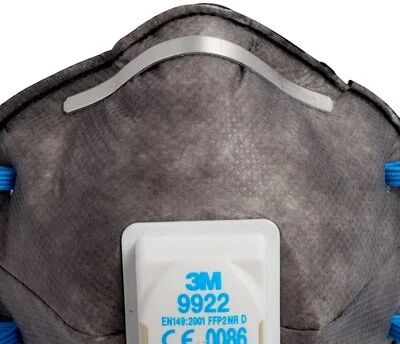
3M 2135 P3 R Particulate Filter for 6000/7000 Series Respirators3M™ 2135 particulate filters are replacement filters for 3M™ 6000 series reusable half-face respirator. 3M™ bayonet connection allows for easy and secure filter change. Rated P3 with 99% particulate filtration at high levels of fine dust.Use 3M™ 2135 particulate filters to help provide P3 protection while working with insulation, repairing walls and ceilings, flooring or when sanding. These replacement filters are for use with 3M™ 6000 series reusable half-face respirator. They are engineered to offer P3 protection against high levels of fine dust and oil or water based mists. They comply with European standards.250,99 £*Shipping: 0,00 £Secure redirect to the provider
-
Why do no particulate emissions occur when burning LPG?
No particulate emissions occur when burning LPG because it is a clean-burning fuel that produces very low levels of impurities. LPG is composed mainly of propane and butane, which have a simple chemical structure that allows for efficient combustion with minimal byproducts. This results in a cleaner burn compared to other fossil fuels like diesel or gasoline, which produce particulate matter as a result of incomplete combustion. **
-
What is the connection between electric cars and particulate matter pollution?
Electric cars produce zero tailpipe emissions, which means they do not emit harmful pollutants like particulate matter into the air. This is in contrast to traditional gasoline or diesel-powered vehicles, which release particulate matter and other pollutants that contribute to air pollution and negative health effects. By switching to electric cars, we can help reduce particulate matter pollution and improve air quality in our communities. **
-
How high is the particulate matter pollution at the train track?
The particulate matter pollution at the train track can vary depending on factors such as train frequency, speed, and type of fuel used. Generally, train tracks can experience higher levels of particulate matter pollution due to the emissions from diesel engines and the disturbance of dust and particles from the track itself. It is important to monitor and mitigate this pollution to protect the health of nearby communities and the environment. **
-
When was the lowest level of nitrogen oxide, particulate matter, and sulfur dioxide pollution?
The lowest levels of nitrogen oxide, particulate matter, and sulfur dioxide pollution were likely during the COVID-19 lockdowns in 2020. With reduced industrial activity, transportation, and energy consumption, air pollution levels significantly decreased in many parts of the world. This reduction in pollution was a result of decreased human activity and the implementation of strict lockdown measures to curb the spread of the virus. **
Similar search terms for Particulate
-
Hama Tahiti Indoor Temperature & humidity sensor Mechanical environment thermometerHama Tahiti. Purpose: Indoor, Sensor type: Temperature & humidity sensor, Type: Mechanical environment thermometer. Width: 110 mm, Depth: 42 mm, Height: 130 mm. Package width: 135 mm, Package depth: 115 mm, Package height: 45 mm. Sustainability certificates: Forest Stewardship Council (FSC)22,49 £*Shipping: 0,00 £Secure redirect to the provider
-
ENVIRONMENT Diffuser Inspired by The Wynn Hotel® - 200mLVegan and cruelty-free. Diffuser that is inspired by The Wynn Hotel®. Juicy green melon and nectarine blend into a heart of jasmine and lily ending with notes of blackberry and oakmoss.39,28 $*Shipping: 0,00 $Secure redirect to the provider
-
What is the difference between a particulate filter and a catalyst in diesel vehicles?
A particulate filter is designed to trap and remove soot particles from the exhaust gases of a diesel vehicle, reducing harmful emissions. On the other hand, a catalyst in a diesel vehicle is responsible for converting harmful pollutants like nitrogen oxides (NOx) and carbon monoxide (CO) into less harmful substances like nitrogen, carbon dioxide, and water vapor. While both components aim to reduce emissions, they target different types of pollutants and operate in distinct ways within the vehicle's exhaust system. **
-
Are there new cars without particulate filters?
No, as of 2021, all new cars sold in the European Union are required to have particulate filters installed. These filters are essential for reducing harmful emissions, particularly particulate matter, from the vehicle's exhaust. Failure to comply with these regulations can result in hefty fines for car manufacturers. Therefore, it is unlikely to find new cars without particulate filters in the market today. **
-
How long does a particulate filter last?
The lifespan of a particulate filter can vary depending on several factors, including the type of filter, the vehicle's driving conditions, and maintenance practices. On average, a particulate filter can last anywhere from 100,000 to 150,000 miles. However, proper maintenance and regular cleaning can help extend the lifespan of the filter. It's important to follow the manufacturer's recommendations and have the filter inspected regularly to ensure it is functioning properly. **
-
Why are small particulate matter so dangerous?
Small particulate matter, such as PM2.5 and PM10, are dangerous because they can penetrate deep into the lungs and even enter the bloodstream, causing a range of health problems. These tiny particles can exacerbate respiratory conditions like asthma and bronchitis, and can also lead to cardiovascular issues such as heart attacks and strokes. Additionally, small particulate matter has been linked to a variety of other health problems, including lung cancer and premature death. Therefore, it is important to minimize exposure to these particles in order to protect public health. **
* All prices are inclusive of VAT and, if applicable, plus shipping costs. The offer information is based on the details provided by the respective shop and is updated through automated processes. Real-time updates do not occur, so deviations can occur in individual cases. ** Note: Parts of this content were created by AI.