Buy milieusticker.eu ?
We are moving the project
milieusticker.eu .
Are you interested in purchasing the domain
milieusticker.eu ?
domain@kv-gmbh.de · 0541-91531010
Buy milieusticker.eu ?
Can only primates blow?
No, only primates cannot blow. Many animals, including birds, fish, and some reptiles, are capable of blowing or expelling air from their bodies. For example, birds use their beaks to blow air to clean their feathers, and some fish can blow bubbles to create nests or scare away predators. Therefore, the ability to blow is not exclusive to primates. **
Which monkeys belong to the primates?
All monkeys belong to the primates. **


Similar search terms for Primates
Top-Angebote
Products related to Primates:
-
ENVIRONMENT Diffuser Inspired by The Wynn Hotel® - 200mLVegan and cruelty-free. Diffuser that is inspired by The Wynn Hotel®. Juicy green melon and nectarine blend into a heart of jasmine and lily ending with notes of blackberry and oakmoss.39,28 $*Shipping: 0,00 $Secure redirect to the provider
-
ENVIRONMENT Diffuser Inspired by Delano Beach Club Hotel® - 200mLVegan and cruelty-free. Diffuser that is inspired by Delano Beach Club®. Sunny orange and bergamot are met with a heart of green tea and jasmine followed by notes of lemongrass and a hint of washed woods.43,49 $*Shipping: 0,00 $Secure redirect to the provider
-
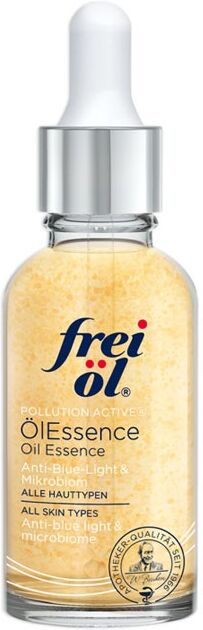
Frei Ol Skincare Frei OI Skincare Pollution Active Oil Essence 30mlThis facial oil is one of frei ol's Best selling products - A lightweight, super absorbent facial oil that calms stressed skin for smoother, plumped radiance skin all year round. It contains a combination of 3 ultramodern extracts: Carrot extract - which blocks blue light (e.g. part of the sunlight, smartphones) that can lead to oxidative stress in the skin caused by the formation of free radicals. Algae extract - which regulates the microbiome of stressed skin. Beetroot extract - which smooths and noticeably moisturises the skin. Key Benefits - Anti-blue light: Protects against blue light, which contributes to premature skin aging (oxidative stress) - Regenerates the microbiome of stressed skin* with algae extract (*in-vivo test with pure active substance) - Moisturises and smooths the skin with beetroot extract - Nourishes the skin with Argan oil and vitamin E Ingredients Aqua, Butylene Glycol, Fructooligosaccharides, Beta Vulgaris Root Extract, Laminaria Digitata Extract, Chlorella Vulgaris Extract, Daucus Carota Sativa Root Extract, Maris Aqua, Canola Oil, Daucus Carota Sativa Seed Oil, Helianthus Annuus Seed Oil, Argania Spinosa Kernel Oil, Magnesium Aspartate, Sodium Hyaluronate, Caffeine, Tocopherol, Tocopheryl Acetate, Beta-Carotene, Copper Gluconate, Zinc Gluconate, Caprylic/Capric/ Succinic Triglyceride, Lactic Acid, Potassium Lactate, Glycerin, Parfum, Caprylhydroxamic Acid, Saccharide Isomerate, Sodium Gluconate, Xanthan Gum, 1,2-Hexanediol, Citric Acid, Ethylhexylglycerin, Sodium Benzoate, Potassium Sorbate, Phenoxyethanol. Alcohol, Colorants, Microplastics*, Mineral oil (Paraffin), Parabens, PEG/PEG-derivates, Silicone *Formula without microplastics as defined by the German Environment Agency (2020)30,00 £*Shipping: 0,00 £Secure redirect to the provider



-
Can humans reproduce with other primates?
No, humans cannot reproduce with other primates. While humans and other primates share a common ancestor, the genetic differences between humans and other primates are too great to allow for successful reproduction. Additionally, humans have 23 pairs of chromosomes, while other primates have a different number of chromosomes, making it biologically impossible for successful interbreeding to occur. **
-
Why are monkeys referred to as primates?
Monkeys are referred to as primates because they belong to the biological order of Primates, which also includes apes, lemurs, and humans. Primates are characterized by having grasping hands and feet, forward-facing eyes, and large brains relative to body size. They are also known for their complex social behaviors and intelligence. Monkeys share these characteristics with other members of the primate order, which is why they are classified as primates. **
-
What are the fundamental rights for primates?
The fundamental rights for primates include the right to life, freedom from torture and cruel treatment, and the right to live in a suitable environment. These rights are based on the understanding that primates are sentient beings capable of experiencing pain and suffering, and therefore deserve to be protected from harm. Additionally, primates have the right to socialize with others of their kind, engage in natural behaviors, and have their physical and psychological well-being taken into consideration. These rights are important for ensuring the ethical treatment of primates in captivity and in the wild. **
-
How do primates like humans resemble each other?
Primates like humans share many similarities, including opposable thumbs that allow for grasping objects and tools. They also have complex social structures, with the ability to form strong emotional bonds and engage in cooperative behaviors. Additionally, primates, including humans, have forward-facing eyes that provide depth perception and a well-developed brain capable of problem-solving and learning. These shared characteristics suggest a close evolutionary relationship among primates. **


Why have people never domesticated primates as pets?
People have never domesticated primates as pets for several reasons. Primates have complex social structures and specialized dietary needs that are difficult to replicate in a domestic setting. They also have strong physical abilities and intelligence that can make them dangerous and difficult to control. Additionally, primates can carry zoonotic diseases that can be transmitted to humans, posing a health risk. Overall, the challenges and risks associated with keeping primates as pets have deterred people from domesticating them. **
How closely related are primates and deer actually?
Primates and deer are not closely related at all. Primates belong to the order Primates, which includes animals like monkeys, apes, and humans. Deer, on the other hand, belong to the order Artiodactyla, which includes even-toed ungulates like cows, pigs, and giraffes. These two orders are not closely related in terms of evolutionary history, and they have distinct physical and behavioral characteristics. Therefore, primates and deer are quite different and not closely related at all. **
Top-Angebote
Products related to Primates:
-
ENVIRONMENT Diffuser Inspired by The Wynn Hotel® - 200mLVegan and cruelty-free. Diffuser that is inspired by The Wynn Hotel®. Juicy green melon and nectarine blend into a heart of jasmine and lily ending with notes of blackberry and oakmoss.39,28 $*Shipping: 0,00 $Secure redirect to the provider
-
Can only primates blow?
No, only primates cannot blow. Many animals, including birds, fish, and some reptiles, are capable of blowing or expelling air from their bodies. For example, birds use their beaks to blow air to clean their feathers, and some fish can blow bubbles to create nests or scare away predators. Therefore, the ability to blow is not exclusive to primates. **
-
Which monkeys belong to the primates?
All monkeys belong to the primates. **
-
Can humans reproduce with other primates?
No, humans cannot reproduce with other primates. While humans and other primates share a common ancestor, the genetic differences between humans and other primates are too great to allow for successful reproduction. Additionally, humans have 23 pairs of chromosomes, while other primates have a different number of chromosomes, making it biologically impossible for successful interbreeding to occur. **
-
Why are monkeys referred to as primates?
Monkeys are referred to as primates because they belong to the biological order of Primates, which also includes apes, lemurs, and humans. Primates are characterized by having grasping hands and feet, forward-facing eyes, and large brains relative to body size. They are also known for their complex social behaviors and intelligence. Monkeys share these characteristics with other members of the primate order, which is why they are classified as primates. **
Similar search terms for Primates
-
ENVIRONMENT Diffuser Inspired by Delano Beach Club Hotel® - 200mLVegan and cruelty-free. Diffuser that is inspired by Delano Beach Club®. Sunny orange and bergamot are met with a heart of green tea and jasmine followed by notes of lemongrass and a hint of washed woods.43,49 $*Shipping: 0,00 $Secure redirect to the provider
-
Frei Ol Skincare Frei OI Skincare Pollution Active Oil Essence 30mlThis facial oil is one of frei ol's Best selling products - A lightweight, super absorbent facial oil that calms stressed skin for smoother, plumped radiance skin all year round. It contains a combination of 3 ultramodern extracts: Carrot extract - which blocks blue light (e.g. part of the sunlight, smartphones) that can lead to oxidative stress in the skin caused by the formation of free radicals. Algae extract - which regulates the microbiome of stressed skin. Beetroot extract - which smooths and noticeably moisturises the skin. Key Benefits - Anti-blue light: Protects against blue light, which contributes to premature skin aging (oxidative stress) - Regenerates the microbiome of stressed skin* with algae extract (*in-vivo test with pure active substance) - Moisturises and smooths the skin with beetroot extract - Nourishes the skin with Argan oil and vitamin E Ingredients Aqua, Butylene Glycol, Fructooligosaccharides, Beta Vulgaris Root Extract, Laminaria Digitata Extract, Chlorella Vulgaris Extract, Daucus Carota Sativa Root Extract, Maris Aqua, Canola Oil, Daucus Carota Sativa Seed Oil, Helianthus Annuus Seed Oil, Argania Spinosa Kernel Oil, Magnesium Aspartate, Sodium Hyaluronate, Caffeine, Tocopherol, Tocopheryl Acetate, Beta-Carotene, Copper Gluconate, Zinc Gluconate, Caprylic/Capric/ Succinic Triglyceride, Lactic Acid, Potassium Lactate, Glycerin, Parfum, Caprylhydroxamic Acid, Saccharide Isomerate, Sodium Gluconate, Xanthan Gum, 1,2-Hexanediol, Citric Acid, Ethylhexylglycerin, Sodium Benzoate, Potassium Sorbate, Phenoxyethanol. Alcohol, Colorants, Microplastics*, Mineral oil (Paraffin), Parabens, PEG/PEG-derivates, Silicone *Formula without microplastics as defined by the German Environment Agency (2020)30,00 £*Shipping: 0,00 £Secure redirect to the provider
-
Learning Resources Boxineers Cardboard Vehicles: Transform Boxes INTO Vehicles! (Mix & Match 75+ Reusable Pieces!) - Ages 5+ - Educational Toy Learning ResourcesMAKE YOUR OWN CARDBOARD VEHICLES: Turn any cardboard box into pretend play creations, from planes to monster trucks and more; build your vehicle with the kids tool set and customise your ride HANDS-ON LEARNING: Build STEM skills like engineering and experimenting, express creativity through pretend play, and develop fine motor skills with the cardboard craft tools, all through building REUSABLE KIT: The cardboard crafting supplies in this art kit are reusable, so kids can use them over and over again; remember to reuse or recycle your upcycled cardboard crafts when you're done MESS FREE CARDBOARD CRAFT KIT INCLUDES: Kid-safe screwdriver and hole punch tools, 30 bolts, six brackets, 40 reusable vehicle accessories, and six sticker sheets; boxes not included; for ages 5+ GIFTS FOR ARTISTIC KIDS: Our crafty construction sets make the perfect gifts for kids who love art, birthday gifts for girls and boys, holiday stocking stuffers, Easter basket toys, and more19,99 £*Shipping: 2,99 £Secure redirect to the provider
-
Red Shed Marvellous Vehicles: James May's illustrated non-fiction children's book on vehicles and things that move: Book 3 (Little Experts)Hit the road with writer and broadcaster JAMES MAY to discover incredible human-powered vehicles – from bicycles and submarines to amphibious vehicles and even a helicopter. Yes, really! Packed with fun, facts and challenges – perfect for readers aged 6 to 9. Welcome to LITTLE EXPERTS – inspiring the next generation of experts! • Written by expert authors, famous for their passion and expertise • Must-read introductions to key non-fiction topics with vibrant, colour illustrations throughout • Created to empower and inspire!4,95 £*Shipping: 1,99 £Secure redirect to the provider
-
What are the fundamental rights for primates?
The fundamental rights for primates include the right to life, freedom from torture and cruel treatment, and the right to live in a suitable environment. These rights are based on the understanding that primates are sentient beings capable of experiencing pain and suffering, and therefore deserve to be protected from harm. Additionally, primates have the right to socialize with others of their kind, engage in natural behaviors, and have their physical and psychological well-being taken into consideration. These rights are important for ensuring the ethical treatment of primates in captivity and in the wild. **
-
How do primates like humans resemble each other?
Primates like humans share many similarities, including opposable thumbs that allow for grasping objects and tools. They also have complex social structures, with the ability to form strong emotional bonds and engage in cooperative behaviors. Additionally, primates, including humans, have forward-facing eyes that provide depth perception and a well-developed brain capable of problem-solving and learning. These shared characteristics suggest a close evolutionary relationship among primates. **
-
Why have people never domesticated primates as pets?
People have never domesticated primates as pets for several reasons. Primates have complex social structures and specialized dietary needs that are difficult to replicate in a domestic setting. They also have strong physical abilities and intelligence that can make them dangerous and difficult to control. Additionally, primates can carry zoonotic diseases that can be transmitted to humans, posing a health risk. Overall, the challenges and risks associated with keeping primates as pets have deterred people from domesticating them. **
-
How closely related are primates and deer actually?
Primates and deer are not closely related at all. Primates belong to the order Primates, which includes animals like monkeys, apes, and humans. Deer, on the other hand, belong to the order Artiodactyla, which includes even-toed ungulates like cows, pigs, and giraffes. These two orders are not closely related in terms of evolutionary history, and they have distinct physical and behavioral characteristics. Therefore, primates and deer are quite different and not closely related at all. **
* All prices are inclusive of VAT and, if applicable, plus shipping costs. The offer information is based on the details provided by the respective shop and is updated through automated processes. Real-time updates do not occur, so deviations can occur in individual cases. ** Note: Parts of this content were created by AI.