Buy milieusticker.eu ?
We are moving the project
milieusticker.eu .
Are you interested in purchasing the domain
milieusticker.eu ?
domain@kv-gmbh.de · 0541-91531010
Buy milieusticker.eu ?
What do you think of such shielding products against electromagnetic pollution?
I think that shielding products against electromagnetic pollution can be beneficial for individuals who are concerned about the potential health effects of EMF exposure. These products can provide a sense of reassurance and peace of mind for those who are looking to minimize their exposure to electromagnetic radiation. However, it's important to note that the effectiveness of these products may vary, and more research is needed to fully understand the potential risks and benefits of EMF shielding. It's also important for individuals to take a holistic approach to reducing EMF exposure, including limiting device use and creating a healthy living environment. **
Are you stopping consuming animal products to protect the environment?
Yes, I am stopping consuming animal products to protect the environment. Animal agriculture is a major contributor to deforestation, greenhouse gas emissions, and water pollution. By reducing or eliminating my consumption of animal products, I am reducing my environmental impact and supporting more sustainable food choices. I believe that making this change is an important step in helping to protect the planet for future generations. **

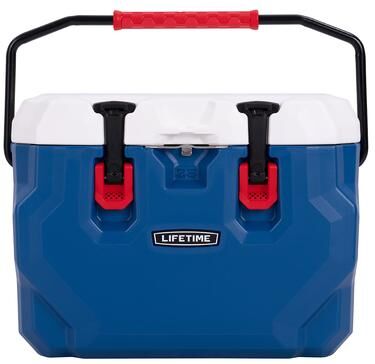
Similar search terms for Products
Top-Angebote
Products related to Products:
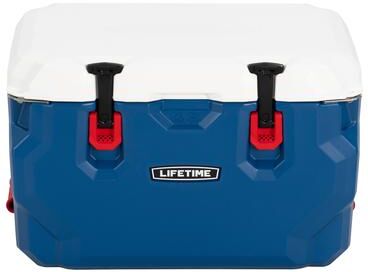
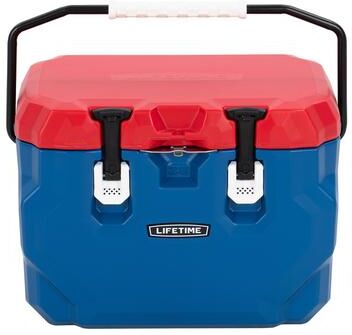


-
Why do electric vehicles have emissions?
Electric vehicles themselves do not produce tailpipe emissions like traditional internal combustion engine vehicles. However, the production of electricity used to charge electric vehicles can generate emissions depending on the source of the electricity. If the electricity comes from fossil fuel power plants, then there will be emissions associated with the electricity generation process. Additionally, there are emissions associated with the manufacturing and disposal of electric vehicle batteries. Overall, while electric vehicles produce no emissions during operation, there are still emissions associated with their lifecycle. **
-
Why are PFAS not harmful in products, but harmful in the environment?
PFAS are not harmful in products because they are designed to be stable and resistant to heat, water, and oil, making them useful in a wide range of consumer products. However, when these products are disposed of or released into the environment, PFAS can accumulate in soil, water, and wildlife, leading to long-lasting contamination. In the environment, PFAS can bioaccumulate in organisms, potentially causing harmful effects on ecosystems and human health. **
-
Are meat products really so harmful to the environment and the climate?
Yes, meat products can be harmful to the environment and the climate. The meat industry is a significant contributor to greenhouse gas emissions, deforestation, and water pollution. Livestock farming requires large amounts of land, water, and feed, leading to habitat destruction and biodiversity loss. Additionally, the production and transportation of meat products contribute to carbon emissions and climate change. Therefore, reducing meat consumption and choosing more sustainable and plant-based alternatives can help mitigate these environmental impacts. **
-
What are the CO2 emissions of motor vehicles?
The CO2 emissions of motor vehicles vary depending on factors such as the type of vehicle, fuel efficiency, and driving conditions. On average, a passenger car emits around 4.6 metric tons of CO2 per year. Larger vehicles such as SUVs and trucks tend to emit more CO2 due to their higher fuel consumption. Electric vehicles produce zero tailpipe emissions, but their overall emissions depend on the source of electricity used for charging. Overall, reducing the CO2 emissions of motor vehicles is a key focus for addressing climate change and air pollution. **


How do no-name products differ from branded products?
No-name products, also known as generic or store-brand products, differ from branded products in several ways. No-name products are typically cheaper than branded products because they do not have the same marketing and advertising costs associated with building a brand name. While branded products often have a loyal following due to their reputation for quality and consistency, no-name products may vary in quality and may not have the same level of customer trust. However, some consumers prefer no-name products because they offer similar quality at a lower price point. **
What is better: branded products or no-name products?
The answer to this question depends on individual preferences and needs. Branded products often come with a higher price tag, but they also typically offer higher quality, better customer service, and a sense of prestige. On the other hand, no-name products are often more affordable and can provide good value for those on a budget. Ultimately, the decision between branded and no-name products comes down to personal priorities and the specific item in question. **
Top-Angebote
Products related to Products:
-
What do you think of such shielding products against electromagnetic pollution?
I think that shielding products against electromagnetic pollution can be beneficial for individuals who are concerned about the potential health effects of EMF exposure. These products can provide a sense of reassurance and peace of mind for those who are looking to minimize their exposure to electromagnetic radiation. However, it's important to note that the effectiveness of these products may vary, and more research is needed to fully understand the potential risks and benefits of EMF shielding. It's also important for individuals to take a holistic approach to reducing EMF exposure, including limiting device use and creating a healthy living environment. **
-
Are you stopping consuming animal products to protect the environment?
Yes, I am stopping consuming animal products to protect the environment. Animal agriculture is a major contributor to deforestation, greenhouse gas emissions, and water pollution. By reducing or eliminating my consumption of animal products, I am reducing my environmental impact and supporting more sustainable food choices. I believe that making this change is an important step in helping to protect the planet for future generations. **
-
Why do electric vehicles have emissions?
Electric vehicles themselves do not produce tailpipe emissions like traditional internal combustion engine vehicles. However, the production of electricity used to charge electric vehicles can generate emissions depending on the source of the electricity. If the electricity comes from fossil fuel power plants, then there will be emissions associated with the electricity generation process. Additionally, there are emissions associated with the manufacturing and disposal of electric vehicle batteries. Overall, while electric vehicles produce no emissions during operation, there are still emissions associated with their lifecycle. **
-
Why are PFAS not harmful in products, but harmful in the environment?
PFAS are not harmful in products because they are designed to be stable and resistant to heat, water, and oil, making them useful in a wide range of consumer products. However, when these products are disposed of or released into the environment, PFAS can accumulate in soil, water, and wildlife, leading to long-lasting contamination. In the environment, PFAS can bioaccumulate in organisms, potentially causing harmful effects on ecosystems and human health. **
Similar search terms for Products
-
Are meat products really so harmful to the environment and the climate?
Yes, meat products can be harmful to the environment and the climate. The meat industry is a significant contributor to greenhouse gas emissions, deforestation, and water pollution. Livestock farming requires large amounts of land, water, and feed, leading to habitat destruction and biodiversity loss. Additionally, the production and transportation of meat products contribute to carbon emissions and climate change. Therefore, reducing meat consumption and choosing more sustainable and plant-based alternatives can help mitigate these environmental impacts. **
-
What are the CO2 emissions of motor vehicles?
The CO2 emissions of motor vehicles vary depending on factors such as the type of vehicle, fuel efficiency, and driving conditions. On average, a passenger car emits around 4.6 metric tons of CO2 per year. Larger vehicles such as SUVs and trucks tend to emit more CO2 due to their higher fuel consumption. Electric vehicles produce zero tailpipe emissions, but their overall emissions depend on the source of electricity used for charging. Overall, reducing the CO2 emissions of motor vehicles is a key focus for addressing climate change and air pollution. **
-
How do no-name products differ from branded products?
No-name products, also known as generic or store-brand products, differ from branded products in several ways. No-name products are typically cheaper than branded products because they do not have the same marketing and advertising costs associated with building a brand name. While branded products often have a loyal following due to their reputation for quality and consistency, no-name products may vary in quality and may not have the same level of customer trust. However, some consumers prefer no-name products because they offer similar quality at a lower price point. **
-
What is better: branded products or no-name products?
The answer to this question depends on individual preferences and needs. Branded products often come with a higher price tag, but they also typically offer higher quality, better customer service, and a sense of prestige. On the other hand, no-name products are often more affordable and can provide good value for those on a budget. Ultimately, the decision between branded and no-name products comes down to personal priorities and the specific item in question. **
* All prices are inclusive of VAT and, if applicable, plus shipping costs. The offer information is based on the details provided by the respective shop and is updated through automated processes. Real-time updates do not occur, so deviations can occur in individual cases. ** Note: Parts of this content were created by AI.