Buy milieusticker.eu ?
We are moving the project
milieusticker.eu .
Are you interested in purchasing the domain
milieusticker.eu ?
domain@kv-gmbh.de · 0541-91531010
Buy milieusticker.eu ?
What are ion substances and molecule substances?
Ion substances are compounds made up of positively and negatively charged ions, such as sodium chloride (NaCl) or calcium carbonate (CaCO3). These substances are held together by electrostatic forces between the ions. Molecule substances, on the other hand, are made up of covalently bonded atoms, such as water (H2O) or carbon dioxide (CO2). These substances are held together by sharing electrons between the atoms. In summary, ion substances are composed of charged ions held together by electrostatic forces, while molecule substances are composed of covalently bonded atoms held together by shared electrons. **
To which substances do the elemental substances belong?
Elemental substances belong to the group of pure substances, which are made up of only one type of atom. These elemental substances are the building blocks of all matter and cannot be broken down into simpler substances by chemical means. Examples of elemental substances include hydrogen, oxygen, carbon, and gold. **
Similar search terms for Substances
Top-Angebote
Products related to Substances:
-
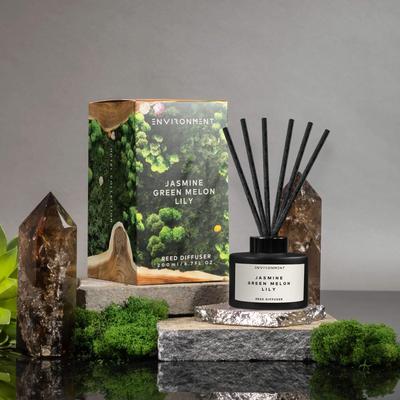
ENVIRONMENT Diffuser Inspired by The Wynn Hotel® - 200mLVegan and cruelty-free. Diffuser that is inspired by The Wynn Hotel®. Juicy green melon and nectarine blend into a heart of jasmine and lily ending with notes of blackberry and oakmoss.39,28 $*Shipping: 0,00 $Secure redirect to the provider
-
Hama Tahiti Indoor Temperature & humidity sensor Mechanical environment thermometerHama Tahiti. Purpose: Indoor, Sensor type: Temperature & humidity sensor, Type: Mechanical environment thermometer. Width: 110 mm, Depth: 42 mm, Height: 130 mm. Package width: 135 mm, Package depth: 115 mm, Package height: 45 mm. Sustainability certificates: Forest Stewardship Council (FSC)22,49 £*Shipping: 0,00 £Secure redirect to the provider
-
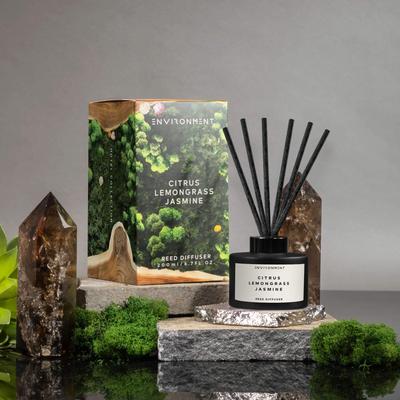
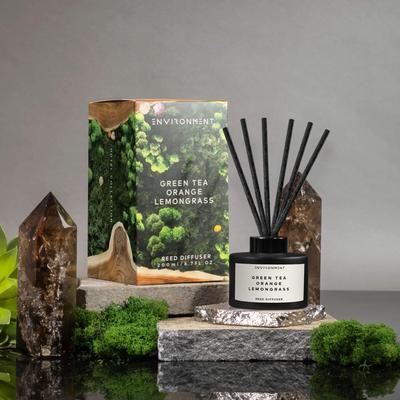
ENVIRONMENT Diffuser Inspired by Delano Beach Club Hotel® - 200mLVegan and cruelty-free. Diffuser that is inspired by Delano Beach Club®. Sunny orange and bergamot are met with a heart of green tea and jasmine followed by notes of lemongrass and a hint of washed woods.43,49 $*Shipping: 0,00 $Secure redirect to the provider

-
To which substances do the elementary substances belong?
Elementary substances belong to the category of pure chemical elements. These are the basic building blocks of matter and cannot be broken down into simpler substances by ordinary chemical reactions. Examples of elementary substances include hydrogen, oxygen, carbon, and iron. Each element is defined by its unique atomic structure and properties. **
-
Why do polar substances dissolve in polar substances?
Polar substances dissolve in polar substances because they have similar intermolecular forces. Polar substances, such as water, have a partial positive and partial negative charge, which allows them to form hydrogen bonds with other polar molecules. When a polar substance is added to a polar solvent, the partial charges on the solvent molecules attract and surround the solute molecules, causing them to separate and disperse evenly throughout the solvent. This allows the polar solute to dissolve in the polar solvent, forming a homogeneous mixture. **
-
Why do substances dissolve in other substances or not?
Substances dissolve in other substances when the intermolecular forces between the solute and solvent are strong enough to overcome the forces holding the solute together. This allows the solute particles to become surrounded by solvent particles and spread out evenly throughout the solvent. On the other hand, substances may not dissolve in a particular solvent if the intermolecular forces between the solute and solvent are not strong enough to overcome the forces holding the solute together, or if the solute and solvent have incompatible polarities. **
-
Can organic substances split and combine with other substances?
Yes, organic substances can split and combine with other substances through chemical reactions. For example, organic compounds can undergo processes such as hydrolysis, where they split into smaller molecules by reacting with water. Additionally, organic substances can also combine with other substances through synthesis reactions, where new organic compounds are formed by combining smaller molecules. These chemical reactions are fundamental to the behavior and properties of organic substances in living organisms and in the environment. **


Which substances float?
Substances that are less dense than the liquid they are placed in will float. This includes materials such as wood, plastic, cork, and ice. **
Are colors pure substances or mixtures of substances and why?
Colors are mixtures of substances rather than pure substances. This is because colors are produced by the interaction of different wavelengths of light with the molecules of the material. For example, the color red is produced when an object absorbs all the wavelengths of light except for red, which is reflected back to our eyes. Therefore, colors are the result of a mixture of different wavelengths of light interacting with the molecules of the material, making them mixtures of substances. **
Top-Angebote
Products related to Substances:
-
ENVIRONMENT Diffuser Inspired by The Wynn Hotel® - 200mLVegan and cruelty-free. Diffuser that is inspired by The Wynn Hotel®. Juicy green melon and nectarine blend into a heart of jasmine and lily ending with notes of blackberry and oakmoss.39,28 $*Shipping: 0,00 $Secure redirect to the provider
-
What are ion substances and molecule substances?
Ion substances are compounds made up of positively and negatively charged ions, such as sodium chloride (NaCl) or calcium carbonate (CaCO3). These substances are held together by electrostatic forces between the ions. Molecule substances, on the other hand, are made up of covalently bonded atoms, such as water (H2O) or carbon dioxide (CO2). These substances are held together by sharing electrons between the atoms. In summary, ion substances are composed of charged ions held together by electrostatic forces, while molecule substances are composed of covalently bonded atoms held together by shared electrons. **
-
To which substances do the elemental substances belong?
Elemental substances belong to the group of pure substances, which are made up of only one type of atom. These elemental substances are the building blocks of all matter and cannot be broken down into simpler substances by chemical means. Examples of elemental substances include hydrogen, oxygen, carbon, and gold. **
-
To which substances do the elementary substances belong?
Elementary substances belong to the category of pure chemical elements. These are the basic building blocks of matter and cannot be broken down into simpler substances by ordinary chemical reactions. Examples of elementary substances include hydrogen, oxygen, carbon, and iron. Each element is defined by its unique atomic structure and properties. **
-
Why do polar substances dissolve in polar substances?
Polar substances dissolve in polar substances because they have similar intermolecular forces. Polar substances, such as water, have a partial positive and partial negative charge, which allows them to form hydrogen bonds with other polar molecules. When a polar substance is added to a polar solvent, the partial charges on the solvent molecules attract and surround the solute molecules, causing them to separate and disperse evenly throughout the solvent. This allows the polar solute to dissolve in the polar solvent, forming a homogeneous mixture. **
Similar search terms for Substances
-
Hama Tahiti Indoor Temperature & humidity sensor Mechanical environment thermometerHama Tahiti. Purpose: Indoor, Sensor type: Temperature & humidity sensor, Type: Mechanical environment thermometer. Width: 110 mm, Depth: 42 mm, Height: 130 mm. Package width: 135 mm, Package depth: 115 mm, Package height: 45 mm. Sustainability certificates: Forest Stewardship Council (FSC)22,49 £*Shipping: 0,00 £Secure redirect to the provider
-
ENVIRONMENT Diffuser Inspired by Delano Beach Club Hotel® - 200mLVegan and cruelty-free. Diffuser that is inspired by Delano Beach Club®. Sunny orange and bergamot are met with a heart of green tea and jasmine followed by notes of lemongrass and a hint of washed woods.43,49 $*Shipping: 0,00 $Secure redirect to the provider
-
Sisley outh Anti-Pollution Energizing and Super Hydrating 40mLA skin-care product for dull skin. Protect, energize, and deeply hydrate your skin with SisleYouth Anti-Pollution. This powerful skincare solution defends against indoor, outdoor, and digital pollution while restoring radiance and vitality. Protects against indoor, outdoor, and blue light pollution.129,11 £*Shipping: 5,34 £Secure redirect to the provider
-
Jander Water Boost Anti-Pollution Moisturizing Face Cream 50mLA facial cream for wrinkles and signs of ageing. It a super-light hydrating moisturizer designed to combat the effects of pollution while delivering intense hydration. This cream helps reduce the appearance of wrinkles and fine lines, making it suitable for all skin types. Intense hydration for a youthful appearance.21,86 £*Shipping: 5,34 £Secure redirect to the provider
-
Why do substances dissolve in other substances or not?
Substances dissolve in other substances when the intermolecular forces between the solute and solvent are strong enough to overcome the forces holding the solute together. This allows the solute particles to become surrounded by solvent particles and spread out evenly throughout the solvent. On the other hand, substances may not dissolve in a particular solvent if the intermolecular forces between the solute and solvent are not strong enough to overcome the forces holding the solute together, or if the solute and solvent have incompatible polarities. **
-
Can organic substances split and combine with other substances?
Yes, organic substances can split and combine with other substances through chemical reactions. For example, organic compounds can undergo processes such as hydrolysis, where they split into smaller molecules by reacting with water. Additionally, organic substances can also combine with other substances through synthesis reactions, where new organic compounds are formed by combining smaller molecules. These chemical reactions are fundamental to the behavior and properties of organic substances in living organisms and in the environment. **
-
Which substances float?
Substances that are less dense than the liquid they are placed in will float. This includes materials such as wood, plastic, cork, and ice. **
-
Are colors pure substances or mixtures of substances and why?
Colors are mixtures of substances rather than pure substances. This is because colors are produced by the interaction of different wavelengths of light with the molecules of the material. For example, the color red is produced when an object absorbs all the wavelengths of light except for red, which is reflected back to our eyes. Therefore, colors are the result of a mixture of different wavelengths of light interacting with the molecules of the material, making them mixtures of substances. **
* All prices are inclusive of VAT and, if applicable, plus shipping costs. The offer information is based on the details provided by the respective shop and is updated through automated processes. Real-time updates do not occur, so deviations can occur in individual cases. ** Note: Parts of this content were created by AI.