Buy milieusticker.eu ?
We are moving the project
milieusticker.eu .
Are you interested in purchasing the domain
milieusticker.eu ?
domain@kv-gmbh.de · 0541-91531010
Buy milieusticker.eu ?
Why is it called a woodwind instrument?
It is called a woodwind instrument because historically, the body of the instrument was made out of wood. Even though many modern woodwind instruments are now made out of other materials such as metal or plastic, the name has stuck. Additionally, the sound is produced by blowing air through a mouthpiece, causing a reed or an air column to vibrate, which is why it is also referred to as a "wind" instrument. The combination of the material and the method of sound production led to the name "woodwind instrument." **
Why are saxophone and flute considered woodwind instruments?
Saxophones and flutes are considered woodwind instruments because they produce sound by the vibration of air within a tube, which is a characteristic of woodwind instruments. Despite the fact that saxophones are typically made of brass, they are classified as woodwinds due to their method of sound production. Flutes, on the other hand, are traditionally made of wood, but modern flutes are often made of metal or other materials. Both instruments are played by blowing air through a mouthpiece, causing a reed or the edge of a hole to vibrate and produce sound. **


Similar search terms for Woodwind
Top-Angebote
Products related to Woodwind:
-
ENVIRONMENT Diffuser Inspired by The Wynn Hotel® - 200mLVegan and cruelty-free. Diffuser that is inspired by The Wynn Hotel®. Juicy green melon and nectarine blend into a heart of jasmine and lily ending with notes of blackberry and oakmoss.39,28 $*Shipping: 0,00 $Secure redirect to the provider
-
Hama Tahiti Indoor Temperature & humidity sensor Mechanical environment thermometerHama Tahiti. Purpose: Indoor, Sensor type: Temperature & humidity sensor, Type: Mechanical environment thermometer. Width: 110 mm, Depth: 42 mm, Height: 130 mm. Package width: 135 mm, Package depth: 115 mm, Package height: 45 mm. Sustainability certificates: Forest Stewardship Council (FSC)22,49 £*Shipping: 0,00 £Secure redirect to the provider
-
ENVIRONMENT Diffuser Inspired by Delano Beach Club Hotel® - 200mLVegan and cruelty-free. Diffuser that is inspired by Delano Beach Club®. Sunny orange and bergamot are met with a heart of green tea and jasmine followed by notes of lemongrass and a hint of washed woods.43,49 $*Shipping: 0,00 $Secure redirect to the provider




-
Does using a woodwind instrument cause crooked teeth?
Using a woodwind instrument does not directly cause crooked teeth. However, excessive pressure on the teeth and jaw from playing a woodwind instrument for long periods of time can potentially contribute to misalignment of the teeth. It is important for musicians to maintain good oral health and be aware of any changes in their bite or jaw alignment while playing. Regular dental check-ups and proper technique can help prevent any potential issues with teeth alignment. **
-
Why is the flute considered a woodwind instrument?
The flute is considered a woodwind instrument because historically, it was made of wood. Even though modern flutes are typically made of metal, they are still classified as woodwinds because they produce sound by blowing air across a sharp edge, similar to other woodwind instruments like the clarinet and oboe. Additionally, the flute is played by blowing air into a mouthpiece, which is a characteristic of woodwind instruments. **
-
What is the difference between woodwind and brass instruments?
Woodwind instruments produce sound by the vibration of air within a tube, typically using a reed or by blowing across a mouthpiece. Examples of woodwind instruments include the flute, clarinet, and saxophone. On the other hand, brass instruments produce sound by the vibration of the player's lips against a mouthpiece, with the sound amplified by the instrument's metal tubing. Examples of brass instruments include the trumpet, trombone, and tuba. The main difference between the two is the method of sound production, with woodwinds using reeds or air blowing and brass instruments using the player's lips. **
-
What is included in the music exam D2 for woodwind instruments (clarinet)?
In the music exam D2 for woodwind instruments, such as the clarinet, students are typically required to perform three pieces from different musical periods. They must also demonstrate technical exercises, scales, and arpeggios. Additionally, students are expected to sight-read a piece of music and answer questions related to music theory and general knowledge. The exam aims to assess the student's overall musicianship, technical skills, and understanding of music theory. **

Why do electric vehicles have emissions?
Electric vehicles themselves do not produce tailpipe emissions like traditional internal combustion engine vehicles. However, the production of electricity used to charge electric vehicles can generate emissions depending on the source of the electricity. If the electricity comes from fossil fuel power plants, then there will be emissions associated with the electricity generation process. Additionally, there are emissions associated with the manufacturing and disposal of electric vehicle batteries. Overall, while electric vehicles produce no emissions during operation, there are still emissions associated with their lifecycle. **
What are the CO2 emissions of motor vehicles?
The CO2 emissions of motor vehicles vary depending on factors such as the type of vehicle, fuel efficiency, and driving conditions. On average, a passenger car emits around 4.6 metric tons of CO2 per year. Larger vehicles such as SUVs and trucks tend to emit more CO2 due to their higher fuel consumption. Electric vehicles produce zero tailpipe emissions, but their overall emissions depend on the source of electricity used for charging. Overall, reducing the CO2 emissions of motor vehicles is a key focus for addressing climate change and air pollution. **
Top-Angebote
Products related to Woodwind:
-
ENVIRONMENT Diffuser Inspired by The Wynn Hotel® - 200mLVegan and cruelty-free. Diffuser that is inspired by The Wynn Hotel®. Juicy green melon and nectarine blend into a heart of jasmine and lily ending with notes of blackberry and oakmoss.39,28 $*Shipping: 0,00 $Secure redirect to the provider
-
Why is it called a woodwind instrument?
It is called a woodwind instrument because historically, the body of the instrument was made out of wood. Even though many modern woodwind instruments are now made out of other materials such as metal or plastic, the name has stuck. Additionally, the sound is produced by blowing air through a mouthpiece, causing a reed or an air column to vibrate, which is why it is also referred to as a "wind" instrument. The combination of the material and the method of sound production led to the name "woodwind instrument." **
-
Why are saxophone and flute considered woodwind instruments?
Saxophones and flutes are considered woodwind instruments because they produce sound by the vibration of air within a tube, which is a characteristic of woodwind instruments. Despite the fact that saxophones are typically made of brass, they are classified as woodwinds due to their method of sound production. Flutes, on the other hand, are traditionally made of wood, but modern flutes are often made of metal or other materials. Both instruments are played by blowing air through a mouthpiece, causing a reed or the edge of a hole to vibrate and produce sound. **
-
Does using a woodwind instrument cause crooked teeth?
Using a woodwind instrument does not directly cause crooked teeth. However, excessive pressure on the teeth and jaw from playing a woodwind instrument for long periods of time can potentially contribute to misalignment of the teeth. It is important for musicians to maintain good oral health and be aware of any changes in their bite or jaw alignment while playing. Regular dental check-ups and proper technique can help prevent any potential issues with teeth alignment. **
-
Why is the flute considered a woodwind instrument?
The flute is considered a woodwind instrument because historically, it was made of wood. Even though modern flutes are typically made of metal, they are still classified as woodwinds because they produce sound by blowing air across a sharp edge, similar to other woodwind instruments like the clarinet and oboe. Additionally, the flute is played by blowing air into a mouthpiece, which is a characteristic of woodwind instruments. **
Similar search terms for Woodwind
-
Hama Tahiti Indoor Temperature & humidity sensor Mechanical environment thermometerHama Tahiti. Purpose: Indoor, Sensor type: Temperature & humidity sensor, Type: Mechanical environment thermometer. Width: 110 mm, Depth: 42 mm, Height: 130 mm. Package width: 135 mm, Package depth: 115 mm, Package height: 45 mm. Sustainability certificates: Forest Stewardship Council (FSC)22,49 £*Shipping: 0,00 £Secure redirect to the provider
-
ENVIRONMENT Diffuser Inspired by Delano Beach Club Hotel® - 200mLVegan and cruelty-free. Diffuser that is inspired by Delano Beach Club®. Sunny orange and bergamot are met with a heart of green tea and jasmine followed by notes of lemongrass and a hint of washed woods.43,49 $*Shipping: 0,00 $Secure redirect to the provider
-
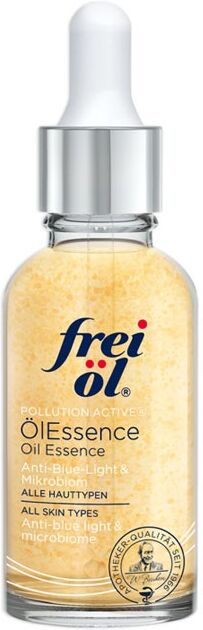
Frei Ol Skincare Frei OI Skincare Pollution Active Oil Essence 30mlThis facial oil is one of frei ol's Best selling products - A lightweight, super absorbent facial oil that calms stressed skin for smoother, plumped radiance skin all year round. It contains a combination of 3 ultramodern extracts: Carrot extract - which blocks blue light (e.g. part of the sunlight, smartphones) that can lead to oxidative stress in the skin caused by the formation of free radicals. Algae extract - which regulates the microbiome of stressed skin. Beetroot extract - which smooths and noticeably moisturises the skin. Key Benefits - Anti-blue light: Protects against blue light, which contributes to premature skin aging (oxidative stress) - Regenerates the microbiome of stressed skin* with algae extract (*in-vivo test with pure active substance) - Moisturises and smooths the skin with beetroot extract - Nourishes the skin with Argan oil and vitamin E Ingredients Aqua, Butylene Glycol, Fructooligosaccharides, Beta Vulgaris Root Extract, Laminaria Digitata Extract, Chlorella Vulgaris Extract, Daucus Carota Sativa Root Extract, Maris Aqua, Canola Oil, Daucus Carota Sativa Seed Oil, Helianthus Annuus Seed Oil, Argania Spinosa Kernel Oil, Magnesium Aspartate, Sodium Hyaluronate, Caffeine, Tocopherol, Tocopheryl Acetate, Beta-Carotene, Copper Gluconate, Zinc Gluconate, Caprylic/Capric/ Succinic Triglyceride, Lactic Acid, Potassium Lactate, Glycerin, Parfum, Caprylhydroxamic Acid, Saccharide Isomerate, Sodium Gluconate, Xanthan Gum, 1,2-Hexanediol, Citric Acid, Ethylhexylglycerin, Sodium Benzoate, Potassium Sorbate, Phenoxyethanol. Alcohol, Colorants, Microplastics*, Mineral oil (Paraffin), Parabens, PEG/PEG-derivates, Silicone *Formula without microplastics as defined by the German Environment Agency (2020)30,00 £*Shipping: 0,00 £Secure redirect to the provider
-
Learning Resources Boxineers Cardboard Vehicles: Transform Boxes INTO Vehicles! (Mix & Match 75+ Reusable Pieces!) - Ages 5+ - Educational Toy Learning ResourcesMAKE YOUR OWN CARDBOARD VEHICLES: Turn any cardboard box into pretend play creations, from planes to monster trucks and more; build your vehicle with the kids tool set and customise your ride HANDS-ON LEARNING: Build STEM skills like engineering and experimenting, express creativity through pretend play, and develop fine motor skills with the cardboard craft tools, all through building REUSABLE KIT: The cardboard crafting supplies in this art kit are reusable, so kids can use them over and over again; remember to reuse or recycle your upcycled cardboard crafts when you're done MESS FREE CARDBOARD CRAFT KIT INCLUDES: Kid-safe screwdriver and hole punch tools, 30 bolts, six brackets, 40 reusable vehicle accessories, and six sticker sheets; boxes not included; for ages 5+ GIFTS FOR ARTISTIC KIDS: Our crafty construction sets make the perfect gifts for kids who love art, birthday gifts for girls and boys, holiday stocking stuffers, Easter basket toys, and more19,99 £*Shipping: 2,99 £Secure redirect to the provider
-
What is the difference between woodwind and brass instruments?
Woodwind instruments produce sound by the vibration of air within a tube, typically using a reed or by blowing across a mouthpiece. Examples of woodwind instruments include the flute, clarinet, and saxophone. On the other hand, brass instruments produce sound by the vibration of the player's lips against a mouthpiece, with the sound amplified by the instrument's metal tubing. Examples of brass instruments include the trumpet, trombone, and tuba. The main difference between the two is the method of sound production, with woodwinds using reeds or air blowing and brass instruments using the player's lips. **
-
What is included in the music exam D2 for woodwind instruments (clarinet)?
In the music exam D2 for woodwind instruments, such as the clarinet, students are typically required to perform three pieces from different musical periods. They must also demonstrate technical exercises, scales, and arpeggios. Additionally, students are expected to sight-read a piece of music and answer questions related to music theory and general knowledge. The exam aims to assess the student's overall musicianship, technical skills, and understanding of music theory. **
-
Why do electric vehicles have emissions?
Electric vehicles themselves do not produce tailpipe emissions like traditional internal combustion engine vehicles. However, the production of electricity used to charge electric vehicles can generate emissions depending on the source of the electricity. If the electricity comes from fossil fuel power plants, then there will be emissions associated with the electricity generation process. Additionally, there are emissions associated with the manufacturing and disposal of electric vehicle batteries. Overall, while electric vehicles produce no emissions during operation, there are still emissions associated with their lifecycle. **
-
What are the CO2 emissions of motor vehicles?
The CO2 emissions of motor vehicles vary depending on factors such as the type of vehicle, fuel efficiency, and driving conditions. On average, a passenger car emits around 4.6 metric tons of CO2 per year. Larger vehicles such as SUVs and trucks tend to emit more CO2 due to their higher fuel consumption. Electric vehicles produce zero tailpipe emissions, but their overall emissions depend on the source of electricity used for charging. Overall, reducing the CO2 emissions of motor vehicles is a key focus for addressing climate change and air pollution. **
* All prices are inclusive of VAT and, if applicable, plus shipping costs. The offer information is based on the details provided by the respective shop and is updated through automated processes. Real-time updates do not occur, so deviations can occur in individual cases. ** Note: Parts of this content were created by AI.